For women in Port-au-Prince, violence turns pregnancy and medical care Into a perilous journey
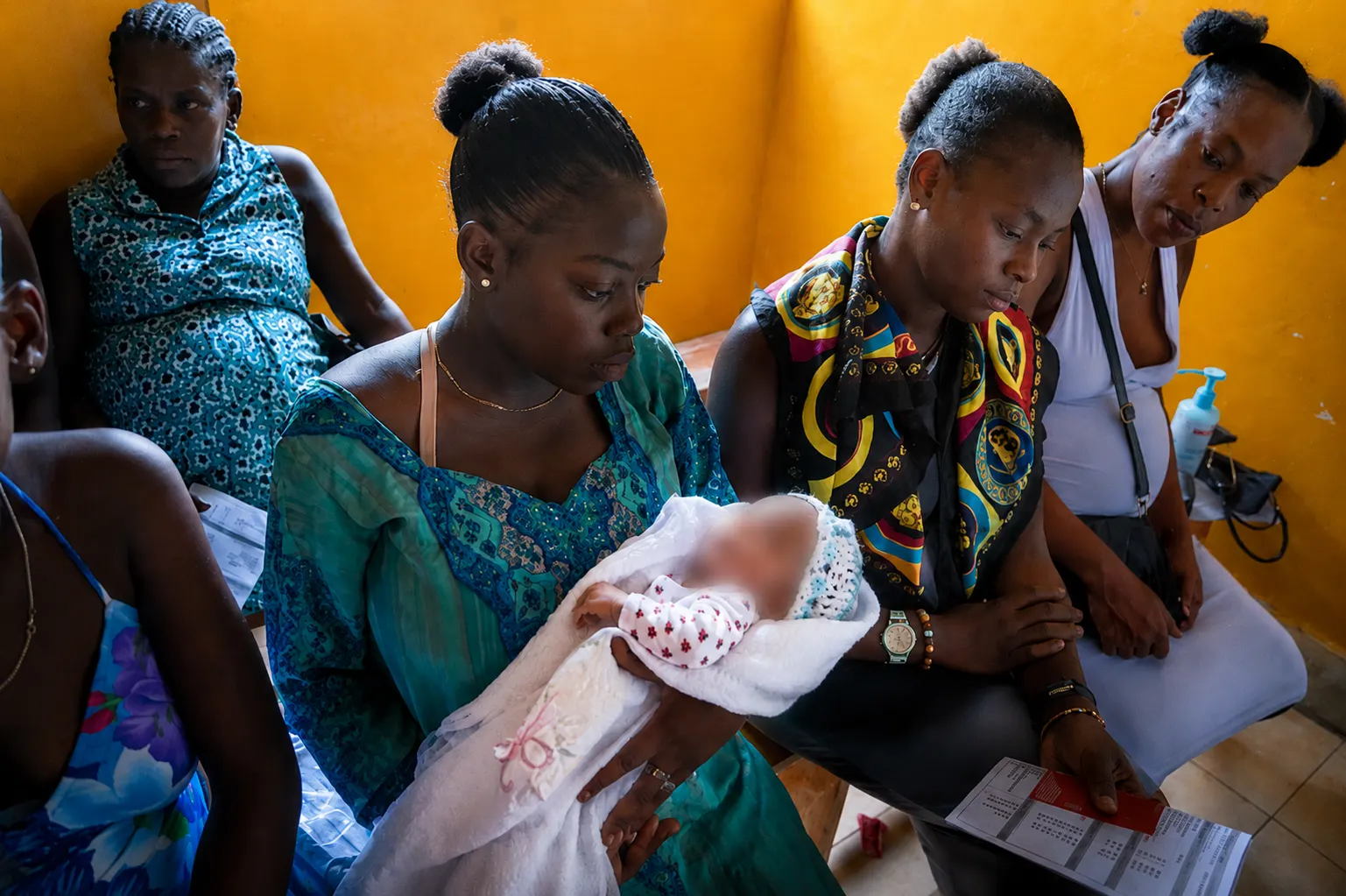
MSF said in a statement published Thursday that armed conflict has so weakened Port-au-Prince’s already fragile health system that access to sexual and reproductive health care is increasingly out of reach for women across Port-au-Prince.
For thousands of women in the Capital, something as basic as seeing a doctor, getting birth control, following up on a pregnancy, or receiving care after a sexual assault has become an obstacle course shaped by armed violence, according to Doctors Without Borders/Médecins Sans Frontières (MSF).
Haiti’s Maternal Death Rate Highest in the Americas
MSF illustrated the crisis with the case of a 29-year-old mother rushed to the MSF-supported Isaïe Jeanty maternity hospital, barely conscious after giving birth at home. She was suffering from postpartum eclampsia, a severe complication that can be fatal without swift medical intervention. Her father-in-law had carried her by motorcycle from Cité Soleil, her newborn in his arms.
“This morning, she looked dead. But now, she is almost smiling,” he told MSF staff in the postpartum ward, where roughly 15 other women were under medical observation.
Haiti has the highest maternal mortality ratio in the Americas. According to World Health Organization estimates cited by MSF, the country recorded 328 deaths for every 100,000 live births in 2023, compared with a global average of 197 and a regional average of 58 for the Americas.
MSF says the figures reflect a health system in steady decline, weakened by the expansion of armed groups, institutional instability, and chronic underfunding of public services. Many health facilities in Port-au-Prince have shut down, sharply reducing access to essential care, including sexual and reproductive health services. Without qualified medical assistance during pregnancy or home births, preventable complications, eclampsia, hemorrhage, infection, or newborn distress, are often diagnosed too late.
“We had to refer a woman who was eight months pregnant to another facility to deliver her baby, who had died in utero. She had never been able to get prenatal follow-up care. This should not happen: these are preventable complications that become fatal,” an MSF mobile clinic midwife said.
Mobile Clinics
Each week, medical teams hold primary and sexual health consultations inside abandoned schools or churches. In the first half of 2026 alone, the teams carried out 4,500 sexual and reproductive health consultations.
MSF is also supporting Haiti’s Ministry of Public Health and Population in rehabilitating the public Isaïe Jeanty maternity hospital in Cité Soleil, where teams provide obstetric emergency care and cesarean sections, access to contraception, and medical and psychosocial care for survivors of sexual violence.
In the first half of 2026, staff at the hospital assisted 929 deliveries, including 285 emergency cesarean sections, and referred 257 patients and their newborns to other facilities for treatment of serious complications.
The organization says the needs on the ground remain immense, and that insecurity continues to restrict movement for both patients and medical staff.
We had to refer a woman who was eight months pregnant to another facility to deliver her baby, who had died in utero. She had never been able to get prenatal follow-up care. This should not happen: these are preventable complications that become fatal