After TPS: Haitian families face job loss, deportation fears and an uncertain future
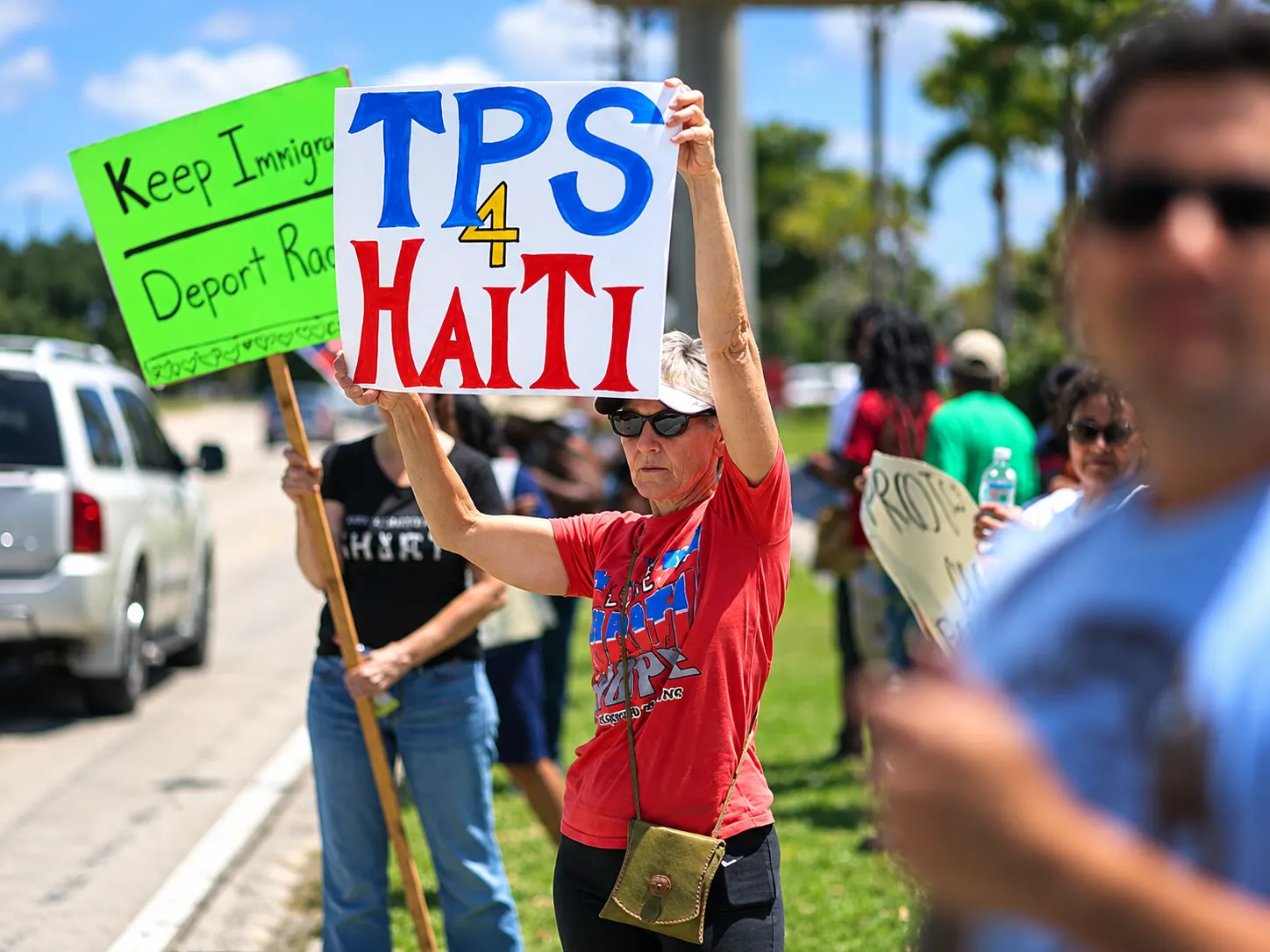
On Wednesday, August 5, U.S. District Judge Ana Reyes signed the order that lifted her own earlier stay, clearing the way for the Trump administration to fully terminate TPS for Haiti. With her signature, Haitians who had been living and working legally in the U.S. under the program, along with those who arrived through the CHNV or Biden-era Humanitarian Parole initiatives, are now considered to be without lawful status, unless they have another form of relief pending or approved.
That last detail matters, and immigration attorneys in South Florida are urging people not to misunderstand it: a pending asylum application does not, on its own, protect someone from being detained or placed in removal proceedings. Work permits tied to TPS are no longer valid, and in some states, so are the driver’s licenses that came with them.
“This is a very, very sad day,” Miami immigration attorney Patricia Elizee said, urging TPS holders not to panic, but to get informed, understand their options, and put a plan in place, for themselves, their children, and whatever they’ve built here.
The Haitian Consulate has also begun advising Haitians in the U.S. to obtain a Haitian passport, since American documents tied to their now-expired status are no longer considered valid.
The Fallout Beyond the Courtroom
While the legal fight has ended, its consequences are only beginning to surface, and they extend well past the people who held TPS themselves. Global Refuge, one of the largest U.S. nonprofits serving refugees and immigrants, said the termination is already triggering layoffs at hospitals, nursing homes, warehouses, and other workplaces across the country as employers lose staff who can no longer legally work.
Krish O’Mara Vignarajah, the organization’s president and CEO, pointed to a contradiction at the heart of the policy: the same U.S. government now pushing Haitians toward removal continues to warn its own citizens against any travel to Haiti, citing the risk of crime, kidnapping, and the collapse of basic services. Vignarajah argued that compelling hundreds of thousands of people into those conditions amounts to an abandonment of moral responsibility, and noted that many of those affected arrived after the 2010 earthquake, have since bought homes, and are raising children who are U.S. citizens.
“These are people who coach Little League, run small businesses, staff our hospitals, care for our parents, and sit in the pews of our churches,” Vignarajah said, describing them as neighbors the country now stands to lose.
Global Refuge is calling on Congress to intervene before more families are separated, and is urging Americans to press their representatives on the issue.
What It Means Going Forward
For the estimated 350,000 Haitians who held TPS, along with those who came through humanitarian parole, the situation now splits into two immediate risks: losing a job the moment a work permit lapses, and facing possible arrest and deportation to a country the U.S. State Department itself describes as too dangerous to visit.
Some reporting this week suggests immigration enforcement has not moved uniformly, two sources told Newsweek that ICE agents were told to hold off, for now, on arresting Haitians whose TPS had expired, but officials, including the Department of Homeland Security, have publicly said enforcement is already underway.
What’s clear is that the end of TPS is no longer a looming deadline; it is now a lived reality for Haitian families across Florida, Ohio, New York, and beyond, reshaping not just immigration status, but jobs, housing, schooling, and the daily calculus of whether to stay and fight a case or return to a country still gripped by gang violence and displacement.
This is a very, very sad day