Port-au-Prince remains cut off from U.S. Air Traffic as FAA extends flight restrictions through march 2027
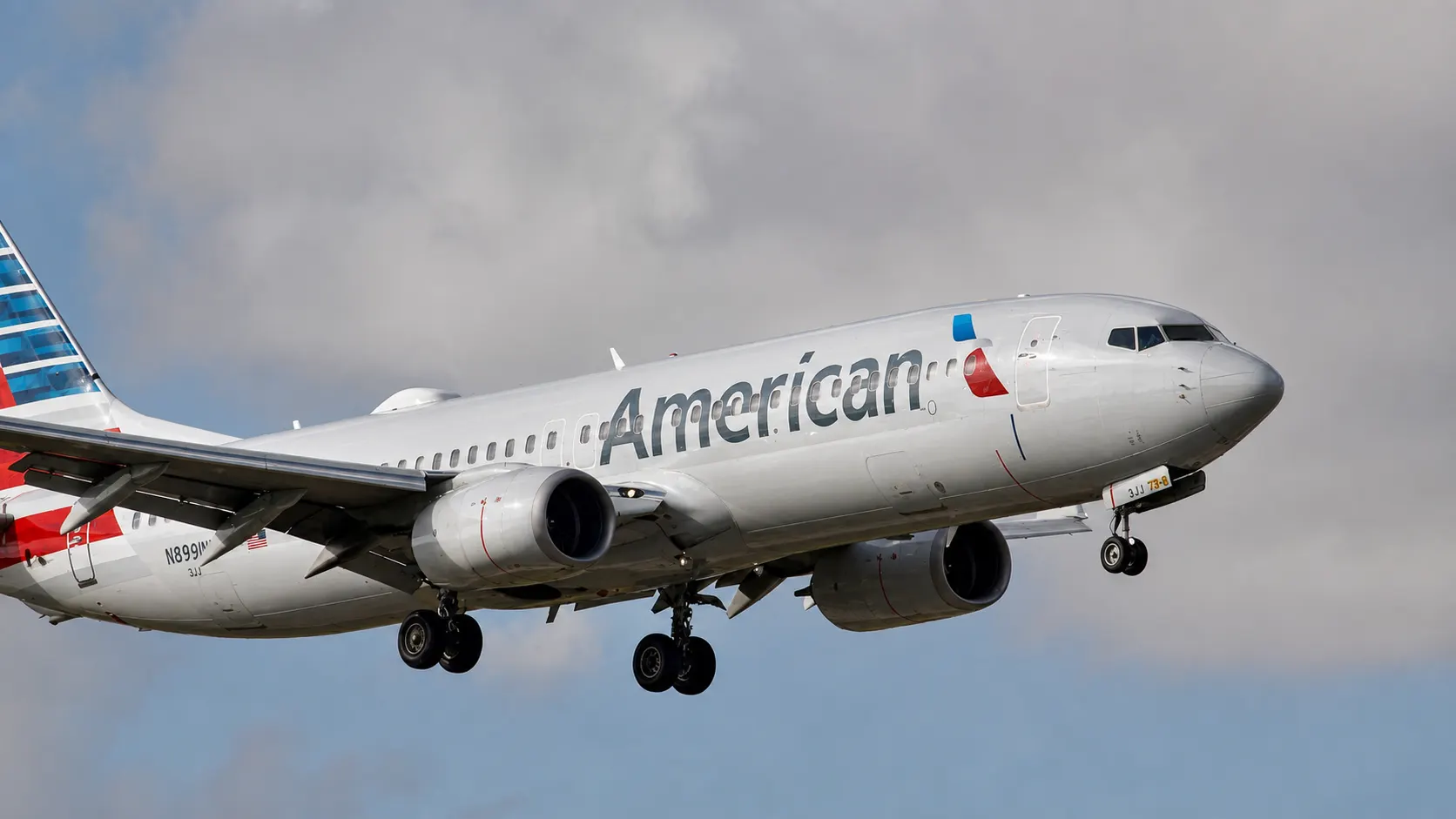
The U.S. Federal Aviation Administration has extended, for another six months, its restriction on American flights operating below 10,000 feet in and around Port-au-Prince, citing at least 11 attacks on aircraft in the area since February 2024, some carried out by gangs the State Department has designated as Foreign Terrorist Organizations.
The renewal, formalized in Notice to Airmen A0046/26, took effect September 1st and runs through March 2, 2027. It bars U.S. air carriers, FAA-certificated pilots and U.S.-registered civil aircraft operators from flying below 10,000 feet mean sea level within a defined zone of Haitian airspace. Flights above that altitude, and operations elsewhere in the country, do not require FAA authorization.
The restriction traces back to November 2025, when gunmen fired on a Spirit Airlines flight on approach to Toussaint Louverture International Airport, injuring a flight attendant and striking other aircraft on the ground. The FAA’s background notice puts that incident in a wider pattern, counting at least 11 aircraft attacked in Port-au-Prince and its immediate surroundings since February 2024. The agency has renewed the below-10,000-foot ban repeatedly since the Spirit Airlines incident, each extension prolonging the isolation of the capital from direct U.S. air traffic.
The FAA drew a sharp contrast between Port-au-Prince and the rest of the country. Cap-Haïtien International Airport and Antoine Simon International Airport in Les Cayes, the agency said, have only a limited FTO and gang presence and no history of attacks on aviation or airport facilities, a distinction that has allowed U.S. carriers to keep serving those cities even as the capital remains cut off below 10,000 feet.
For Haitians and diaspora travelers, the continued ban means routing around the capital through smaller airports, while journalists, aid workers and businesses that depend on direct access to Port-au-Prince absorb the added logistical cost.
The FAA said it will keep monitoring the security environment and encouraged U.S. operators to report risk concerns directly to the agency.