After losing TPS in the United States, Haitians look to Canada
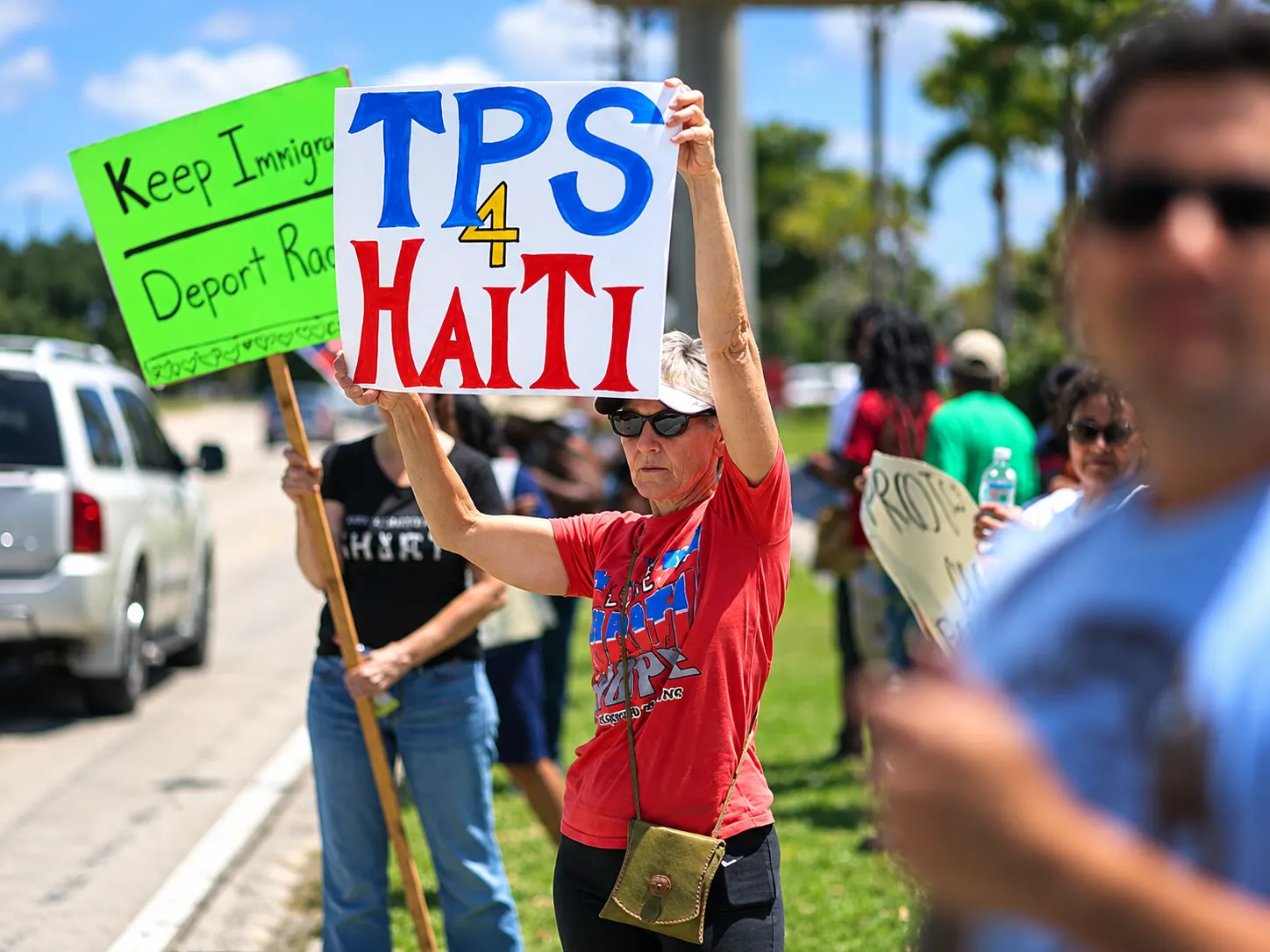
More than 330,000 Haitians who built their lives in the United States under Temporary Protected Status (TPS) are now confronting a decision few of them wanted to make: stay in the country illegally, return to a homeland the U.S. government itself calls too dangerous to visit, or try their luck at the Canadian border.
A growing number are choosing the third option, according to a USA TODAY report published August 15, with migrant rights advocates and Canadian police confirming a rise in Haitians heading toward Quebec.
Quebec Becomes a Destination
Some Haitians are now heading toward Quebec, according to the Royal Canadian Mounted Police and migrant rights groups cited by USA TODAY. RCMP officers patrolling the border have confirmed a rise in Haitians attempting the crossing.
The journey carries real risk. Under a March 2023 agreement between Washington and Ottawa, most migrants caught crossing into Canada outside an official port of entry are taken into custody by U.S. authorities and can face deportation. Those who evade capture may later become eligible for Canadian refugee status if they remain undetected for two weeks, a loophole that has given rise to smuggling networks.
“The stakes are so high at the border and a lot of people are not very well informed,” said Jenn McIntyre of the Canada-U.S. Border Rights Clinic, a non profit that advisesmigrants. “The consequences are profound.”
The number of Haitians seeking protection in Canada from all countries, including the United States, has fluctuated sharply in recent years. It reached 7,864 in 2024 before jumping to14,192 in 2025, according to the Immigration and Refugee Board of Canada. In the first quarter of this year alone, 1,734 Haitians sought protection in Canada, which offers its own version of TPS to eligible claimants. More recent figures were not available from the board.
Haitians covered by TPS were concentrated primarily in Miami, New York, and Boston, according to the National Immigration Forum. In Massachusetts alone, roughly 45,000 Haitians lost their status, including about 2,000 who worked in nursing homes, said Sarang Sekhavat, chief of staff for the Massachusetts Immigrant and Refugee Advocacy Coalition. He compared the moment to the period after the September 11 attacks, when some Muslim residents of the U.S. sought sanctuary in Canada.
“As policies change, as people are stripped of their status, as this chaos unfolds, if people no longer feel safe in the United States, of course they’re going to come to Canada,” said Julia Sande, a Canada-based immigration attorney with Amnesty International.
Many of those affected have lived in the U.S. for well over a decade, building homes, businesses, andfamilies, some with children who are U.S. citizens. Jill Habig, founder and CEO of the Public Rights Project, said Haitian TPS holders contributed roughly $4.4 billion annually to the U.S. economy through payroll and other taxes.“The human cost will be felt all across America,” she said in astatement.
Return to Haiti remains largely off the table for most. The U.S. government continues to warn Americans against traveling there, citing a lack of effective central government authority and gang control over large parts of the country. “The idea of going back to Haiti, for the majority of folks, is just not really an option at all,“Sekhavat said.
"The stakes are so high at the border and a lot of people are not very well informed,"