Living in limbo: Haitian families face uncertainty as ICE reportedly delays some arrests
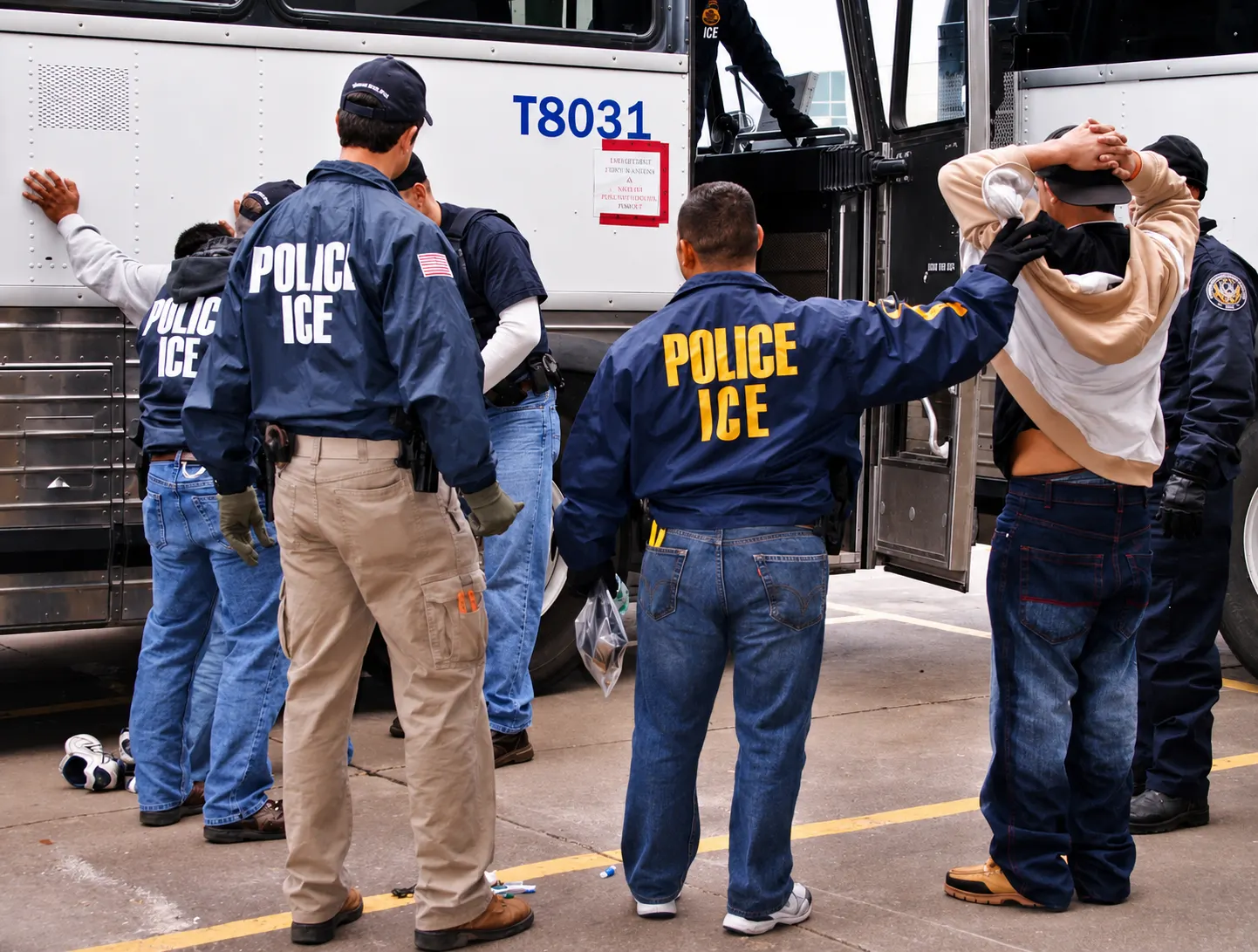
According to Newsweek, some ICE officers have been instructed to delay the arrest of certain Haitian nationals affected by the end of TPS while immigration authorities navigate ongoing legal and administrative questions.
For thousands of Haitian families across the United States, every knock at the door and every trip to work carries a new layer of anxiety. After the expiration of Temporary Protected Status (TPS) for Haiti, many have been left wondering whether they could be detained or deported at any moment.
Now, a reported internal directive from U.S. Immigration and Customs Enforcement (ICE) has offered a measure of temporary relief.
The guidance does not restore TPS or halt deportations. Instead, it appears to be a temporary enforcement measure, leaving hundreds of thousands of Haitians in legal limbo.
TPS was first granted to Haitians following the catastrophic 2010 earthquake and was repeatedly extended as Haiti endured political instability, natural disasters, economic hardship, and an unprecedented wave of gang violence. In recent months, court decisions have allowed the U.S. government to move forward with ending those protections, placing many longtime residents at risk of removal.
For Haitian community leaders, the reported pause is welcome—but far from a solution.
“This temporary guidance does little to ease the fear families are experiencing every day,” the Haitian Bridge Alliance said in a recent statement urging the U.S. government to provide lasting humanitarian protections for Haitian nationals. “Haiti remains in the grip of a severe humanitarian and security crisis, making deportations both dangerous and inhumane.”
Across the country, churches, schools, and Haitian-owned businesses say attendance has dropped as many immigrants avoid unnecessary travel, fearful that routine errands could lead to encounters with immigration authorities.
Those concerns are echoed by humanitarian organizations, which argue that Haiti is ill-equipped to receive large numbers of deportees. Armed gangs continue to control significant portions of the capital, while widespread displacement, shortages of essential services, and political instability have created one of the world’s most complex humanitarian emergencies.
For many Haitians in the United States, the reported ICE directive offers only a brief pause—not peace of mind.
Until Congress or the courts provide a more permanent solution, thousands of families remain suspended between hope and uncertainty, waiting to learn whether the lives they have built over the past decade will be allowed to continue.
This temporary guidance does little to ease the fear families are experiencing every day Haiti remains in the grip of a severe humanitarian and security crisis, making deportations both dangerous and inhumane