Hundreds Rally in Ohio as Haitian Families Face TPS Deadline and Deportation Fears
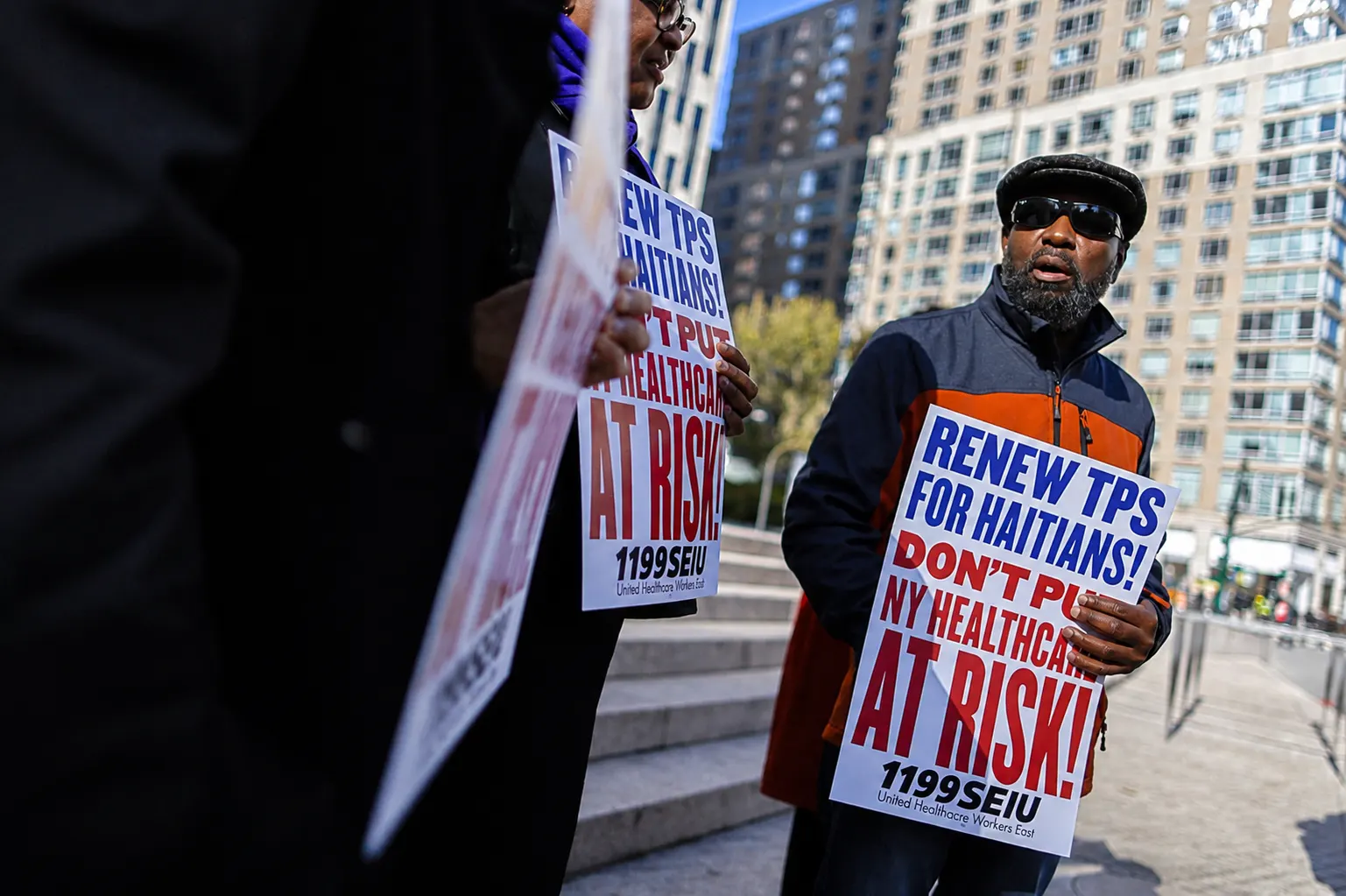
Hundreds of demonstrators marched through the streets of Springfield over the weekend in a show of solidarity with Haitian families facing the end of Temporary Protected Status (TPS) and the threat of deportation.
Carrying signs, waving flags, and chanting for justice, protesters gathered early in the morning to call for compassion and fair treatment of Haitian immigrants who have built their lives in the Ohio community. Some Haitians were instructed to report to U.S. Immigration and Customs Enforcement (ICE), while others faced the difficult choice of wearing electronic ankle monitors as they awaited the outcome of their immigration cases.
Standing before reporters, Villes Dorsainvil, Executive Director of the Springfield Haitian Support Center, argued that requiring immigrants to wear ankle monitors is both unnecessary and harmful.
“These are not criminals,” Dorsainvil said, emphasizing that many Haitian immigrants have spent years working, paying taxes, raising families, and contributing to Springfield’s economy.
According to Dorsainvil, treating Haitians like dangerous offenders unfairly stigmatizes people whose only goal is to continue living peacefully while their legal cases move through the courts.
He also warned that ankle monitors could have a profound psychological impact on families, particularly children who may struggle to understand why their parents are being treated like criminals despite having committed no violent offense. Forcing immigrants to choose between reporting to ICE or wearing an ankle monitor, he said, spreads fear throughout the community and undermines the dignity of law-abiding residents.
The demonstration drew national attention as MSNBC covered the event, highlighting the growing anxiety surrounding Springfield’s Haitian community and the uncertain future facing many families.
Participants said the protest was about far more than immigration policy. It was about protecting neighbors, coworkers, church members, and families who have become an integral part of Springfield. Over the past several years, Haitian immigrants have helped fill labor shortages, supported local businesses, and contributed significantly to the city’s economic growth.
As the march concluded, Dorsainvil urged policymakers to remember that immigration decisions affect real people, not statistics.
His message echoed through the streets of Springfield: Haitian families are not asking for special treatment. They are asking for fairness, compassion, and the opportunity to continue contributing to the community they proudly call home.
"These are not criminals," Dorsainvil said, emphasizing that many Haitian immigrants have spent years working, paying taxes, raising families, and contributing to Springfield's economy. treating Haitians like dangerous offenders unfairly stigmatizes people whose only goal is to continue living peacefully while their legal cases move through the courts. Immigration decisions affect real people, not statistics.