Human Rights Watch: U.S. deportations are putting Haitians’ lives at risk
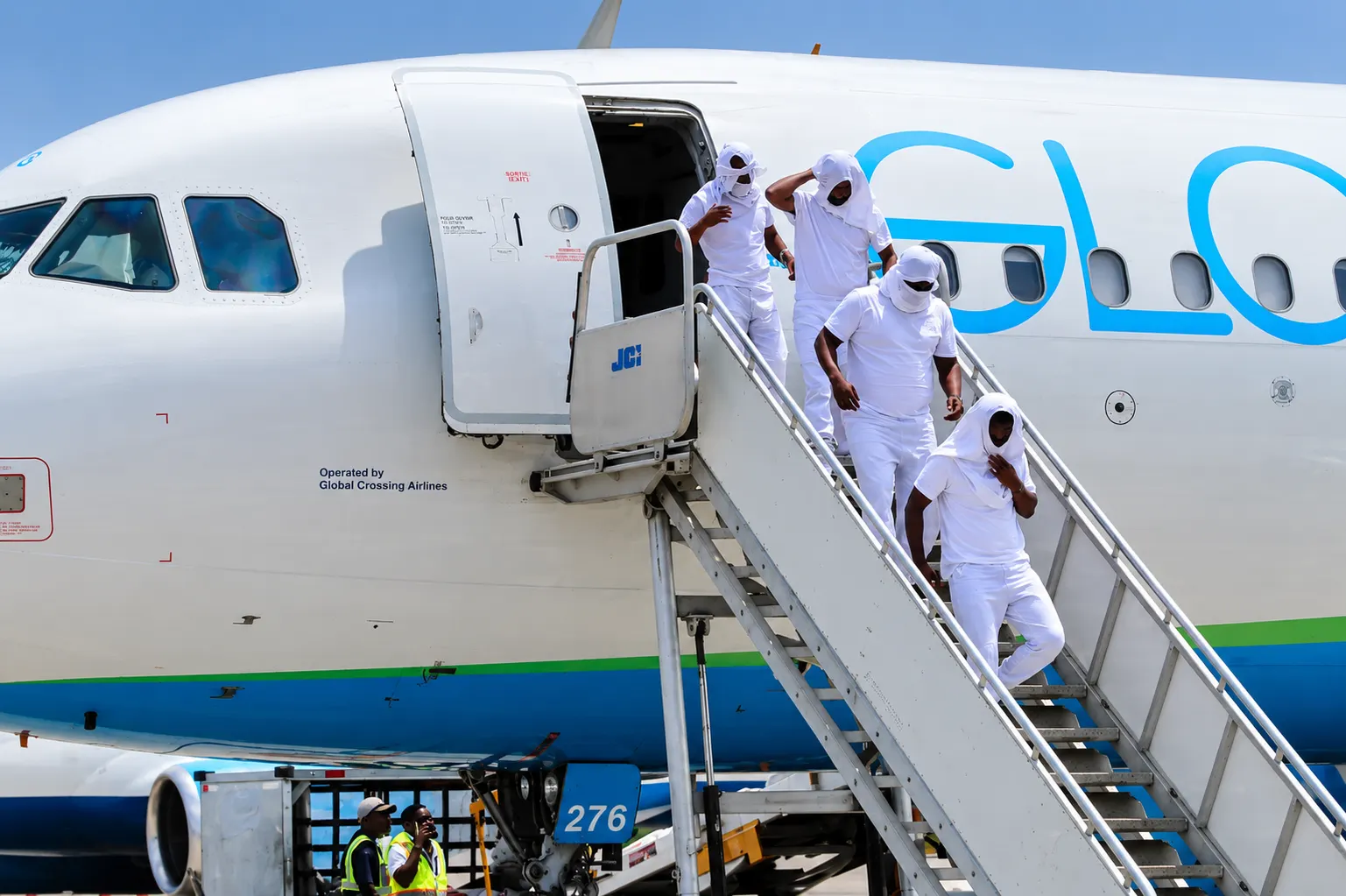
Human Rights Watch said Monday that hundreds of Haitians deported from the United States since late July, some with pending asylum claims, have been sent back to a country unable to protect them from gang violence, hunger and poverty, with little or no government support once they arrive.
The rights group said it interviewed 44 deportees during a visit to Cap-Haïtien in the last week of August, along with Haitian and international officials, after reviewing the first two deportation flights that followed the end of Temporary Protected Status for Haitians.
“The United States is returning people, some with pending asylum claims, to a country that doesn’t have the capacity to protect them from violence, let alone help them find food and shelter,” said Nathalye Cotrino, senior Americas researcher at Human Rights Watch. “The U.S. government should immediately halt these removals.”
The U.S. has deported more than 470 people to Haiti since July, according to Human Rights Watch, though Haiti’s National Office for Migration has put the figure at more than 450.
Deportation flights are landing in Cap-Haïtien, on Haiti’s northern coast, because gang violence has made the international airport in Port-au-Prince too dangerous to use. Cap-Haïtien Mayor Michel Saint-Croix told Human Rights Watch the city’s population has more than tripled to over 1 million in the past two years as it absorbs deportees and Haitians fleeing violence elsewhere in the country.
Haitian migration officials said the U.S. government has told them it plans to send as many as two deportation flights a week, each carrying about 200 people.
Human Rights Watch said it reviewed passenger manifests for two deportation flights in August; neither contained information about the deportees’ immigration status or the grounds for their removal.
Detained for hours without food or contact with lawyers
Deportees told Human Rights Watch they went hours without food or water and days without bathing or changing clothes while held in U.S. immigration detention. Many said their belongings, including official documents and money, were not returned to them when they arrived in Haiti. Once detained, most said they were not allowed to contact lawyers or appear before an immigration judge, and received little or no information about their pending asylum claims, the grounds for their detention, or how to challenge their deportation.
Most of the 44 deportees interviewed said they had fled Haiti’s worsening security and humanitarian crisis and had resettled in Florida, New York, Indiana, Massachusetts, New Jersey, Pennsylvania and Ohio, working in construction, healthcare and manufacturing. They had lived in the U.S. for two to 14 years before being sent back.
‘Now they have sent me back here to die’
Among those interviewed was a 38-year-old man, not identified by name, who told researchers he had lived in Florida since December 2019 and worked at the same hotel for more than six years before he was deported on Aug. 20. His wife and 5-year-old son, a U.S. citizen, remain in Florida.
“I worked so that he could grow up without the fear, violence, and uncertainty that I had known in Haiti,” he was quoted as saying.
He and several other deportees said they had held TPS, though Human Rights Watch said it could not independently verify those claims. More than a week after landing in Cap-Haïtien, he told researchers he was still stranded there, without enough money to reach relatives in Jacmel, in southern Haiti.
“To reach Jacmel, I may have to travel through areas controlled by criminal groups, where people are stopped, extorted, kidnapped, or killed,” he said. “I fled Haiti to save my life. Now they have sent me back here to die.”
Another deportee, a 46-year-old man who lived in Miami, said he was detained as he left home for work despite years of complying with immigration requirements.
“I worked, paid taxes, went to my immigration appointments, and waited for my asylum case,” he said. “Later, they told me that I had a removal order. I had never heard about that order before. I kept asking for a lawyer, but nobody helped me.”
A 47-year-old woman said she had lived in Miami with her husband, a U.S. citizen, and was arrested when she attended an interview to apply for permanent residence. Another deportee, a 24-year-old nursing assistant student, said she applied for asylum after fleeing Haiti in 2023 following a gang attack on her community.
$77 and left to fend for themselves
Human Rights Watch said deportees are given food and water on arrival at the Cap-Haïtien airport, along with about 10,000 Haitian gourdes (roughly $77) in cash. Haitian authorities and humanitarian agencies do not offer sustained shelter, health care, transportation or reintegration support, the group said, leaving deportees to fend for themselves once they are registered.
At least 19,380 people were killed across Haiti between January 2023 and June 2026, according to the United Nations.
“Deportees are being returned to spreading violence and severe hunger and then left without shelter, safe transportation, or meaningful support,” Cotrino said. “The United States should be protecting these people, not compounding the suffering they have already endured.”
"The United States is returning people, some with pending asylum claims, to a country that doesn’t have the capacity to protect them from violence, let alone help them find food and shelter"