Haiti's TPS officially ends after 16 years, opening the door to deportations
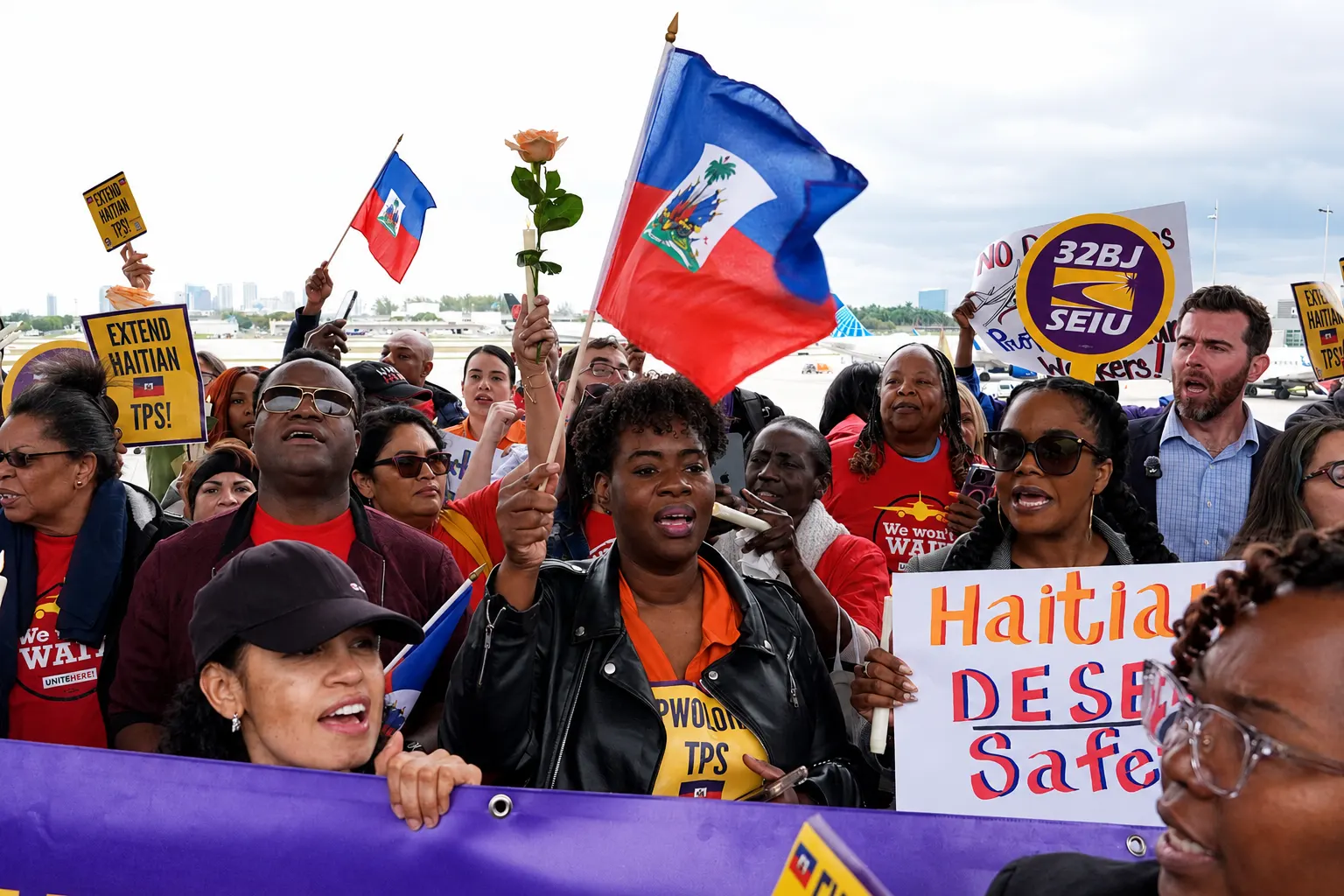
U.S. District Judge Ana Reyes, on Wednesday, lifted the stay that had shielded Temporary Protected Status for Haitian nationals since February, formally ending the program that has let hundreds of thousands of Haitians live and work legally in the United States since 2010.
Reyes’ order came in compliance with a Supreme Court ruling in June that found courts lack the authority to review the Department of Homeland Security’s decision to terminate a country’s TPS designation. That ruling reversed the protection Reyes herself had granted in February, just a day before DHS’s original termination date, when she found it “substantially likely” that the decision to end Haiti’s TPS was driven by hostility toward nonwhite immigrants rather than an honest assessment of conditions in the country.
Between 330,000 and 350,000 Haitians are affected, according to court filings. Work permits tied to TPS status have already begun expiring, and some states have moved to invalidate driver’s licenses linked to the program. DHS Secretary Markwayne Mullin said his department is moving swiftly against those affected, telling reporters people could “self-deport” or be arrested and removed.
Haiti remains on the State Department’s “do not travel” list, citing gang violence, kidnapping, and a healthcare system stretched to its limits. Litigation over whether the original decision to end TPS violated equal protection guarantees continues, though it no longer shields TPS holders from removal while the case proceeds.
Haitian community leaders across the diaspora — from Miami to Springfield, Ohio — describe a population now bracing for raids, family separations, and an uncertain return to a country still reeling from crisis.