Haitian Designer Garvenchy Nicolas, Founder of Vinshēk, Brings Haitian Resistance History to NYFW With “The Cacos Collection”
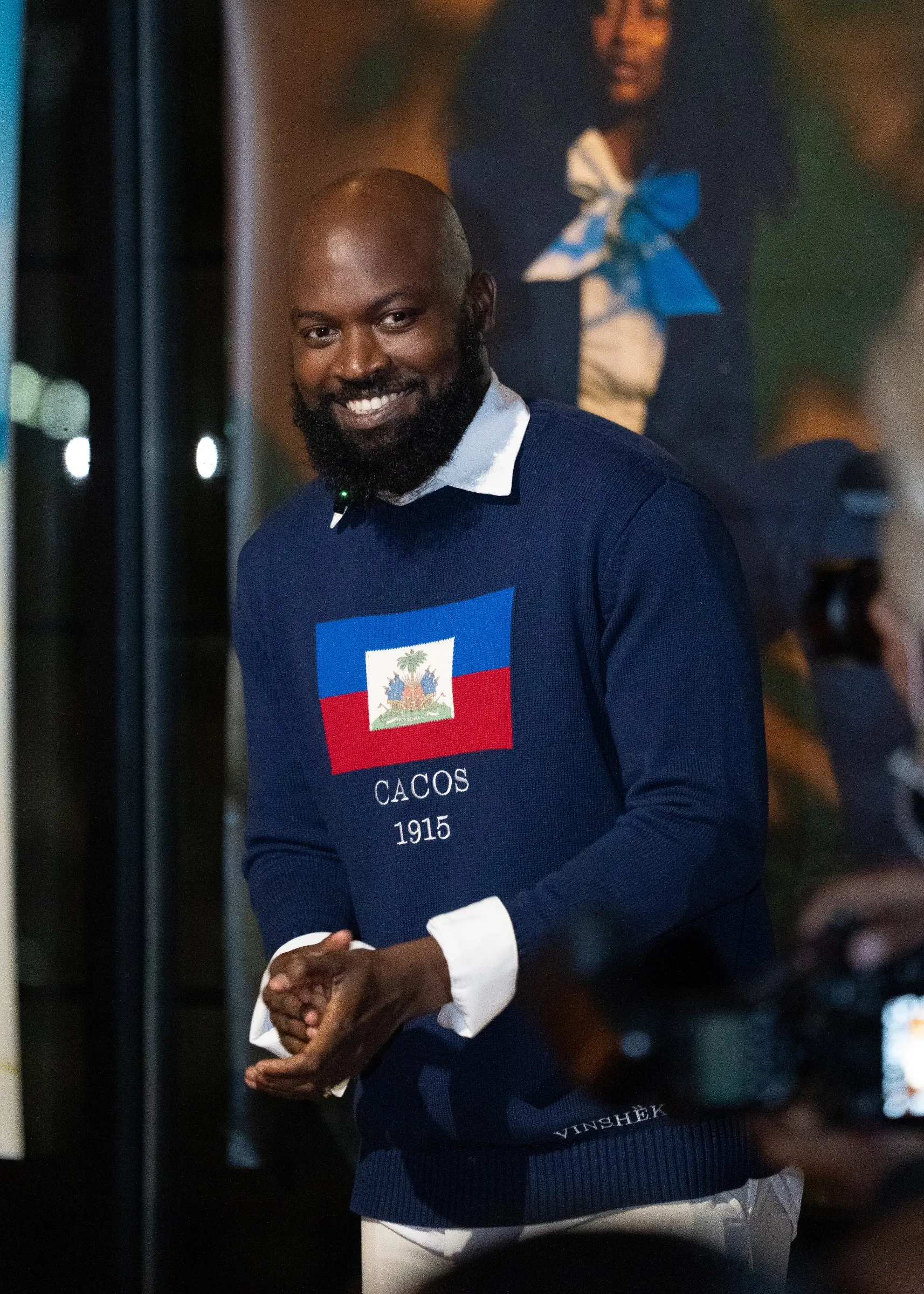
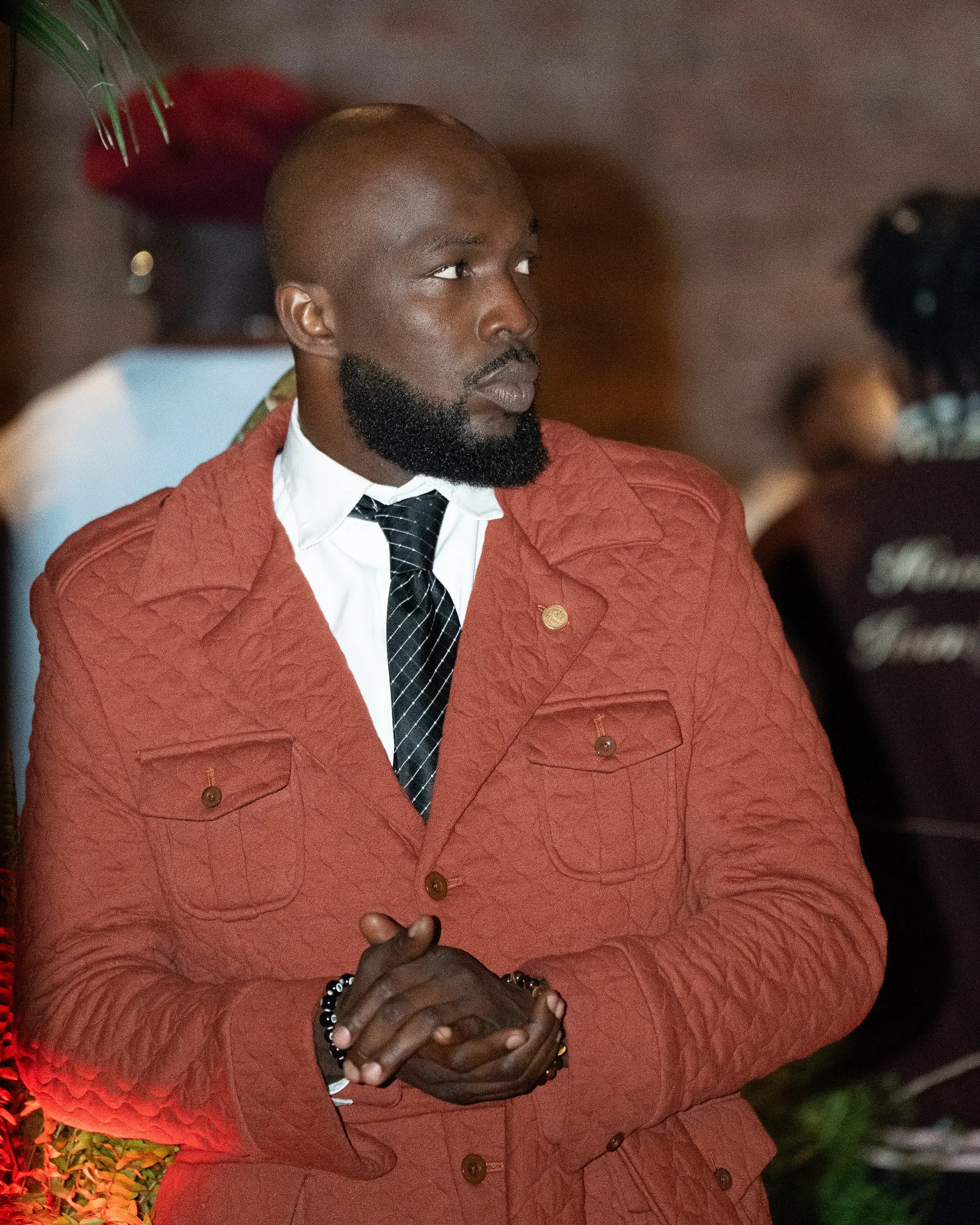
BROOKLYN, N.Y. — Haitian designer Garvenchy Nicolas presented Vinshēk’s fourth collection, The Cacos Collection, on September 14 at The Arches in Brooklyn, bringing a project rooted in Haitian resistance and historical memory to New York Fashion Week.
The collection marked the culmination of nearly two years of development for Nicolas and his team. Rather than treating Haitian history as a visual reference alone, Nicolas built the project around the Cacos and the broader history of Haiti during the U.S. occupation, using fashion as a vehicle to examine resistance, sovereignty and memory.
The official presentation described the collection as honoring Haitian resistance fighters who defended the country’s sovereignty during the occupation and said its visual language was also influenced by Haiti’s mountainous landscape and the spirit of the Kansòn Wouj, or Caco bird. [StayHappening](https://stayhappening.com/e/vinsh%C4%93k-nyfw-fashion-show-E1NCQFEA84I4?utm_source=chatgpt.com)
For Nicolas, the subject also represented a continuation of the philosophy behind Vinshēk, the luxury label he founded in 2020. The self-taught designer was born in Haiti and raised in Brooklyn after immigrating to the United States at age 12. His work has increasingly used clothing to interpret Haitian history, identity and culture, with the brand describing its garments as a form of “living archive.” [harlemfashionweek](https://www.harlemfw.com/garvenchy-nicholas?utm_source=chatgpt.com)
The historical foundation of the collection dates to the U.S. occupation of Haiti, which began in July 1915 and lasted until August 1934. During that period, armed Caco resistance confronted U.S. forces, particularly in Haiti’s northern and central regions. A second major Caco uprising began in 1918 and continued until 1920, with Charlemagne Péralte emerging as one of its principal leaders before he was killed in 1919. Contemporary U.S. government records and later U.S. Navy historical accounts document both the resistance and military campaigns against the Cacos. [Naval History and Heritage Command](https://www.history.navy.mil/research/library/online-reading-room/title-list-alphabetically/u/us-occupation-of-haiti-1915-1934.html?utm_source=chatgpt.com)
Nicolas wanted that history to be more than a distant source of inspiration. During the collection’s development, he and members of his team traveled to Haiti, believing a project so closely connected to the country could not be developed entirely from afar.
Another major influence was filmmaker Alain Martin’s documentary The Forgotten Occupation: Jim Crow Goes to Haiti, which examines the U.S. occupation and its lasting consequences through history as well as Martin’s own family story. Martin has said the project grew from learning about the occupation while taking a Haitian history course in college. [WLRN](https://www.wlrn.org/arts-culture/2026-04-07/jim-crow-goes-to-haiti-filmmaker-unpacks-19-years-of-u-s-occupation-of-haiti-in-new-documentary?utm_source=chatgpt.com)
The documentary would eventually become part of one of the evening’s most personal moments.
The September 14 presentation began around 6 p.m. at The Arches, an exposed-brick Brooklyn venue where the downstairs space hosted a cocktail reception while preparations continued for the runway upstairs. The official event listing confirms The Arches at 1394 St. Johns Place as the venue for Vinshēk’s NYFW presentation. [StayHappening](https://stayhappening.com/e/vinsh%C4%93k-nyfw-fashion-show-E1NCQFEA84I4?utm_source=chatgpt.com)
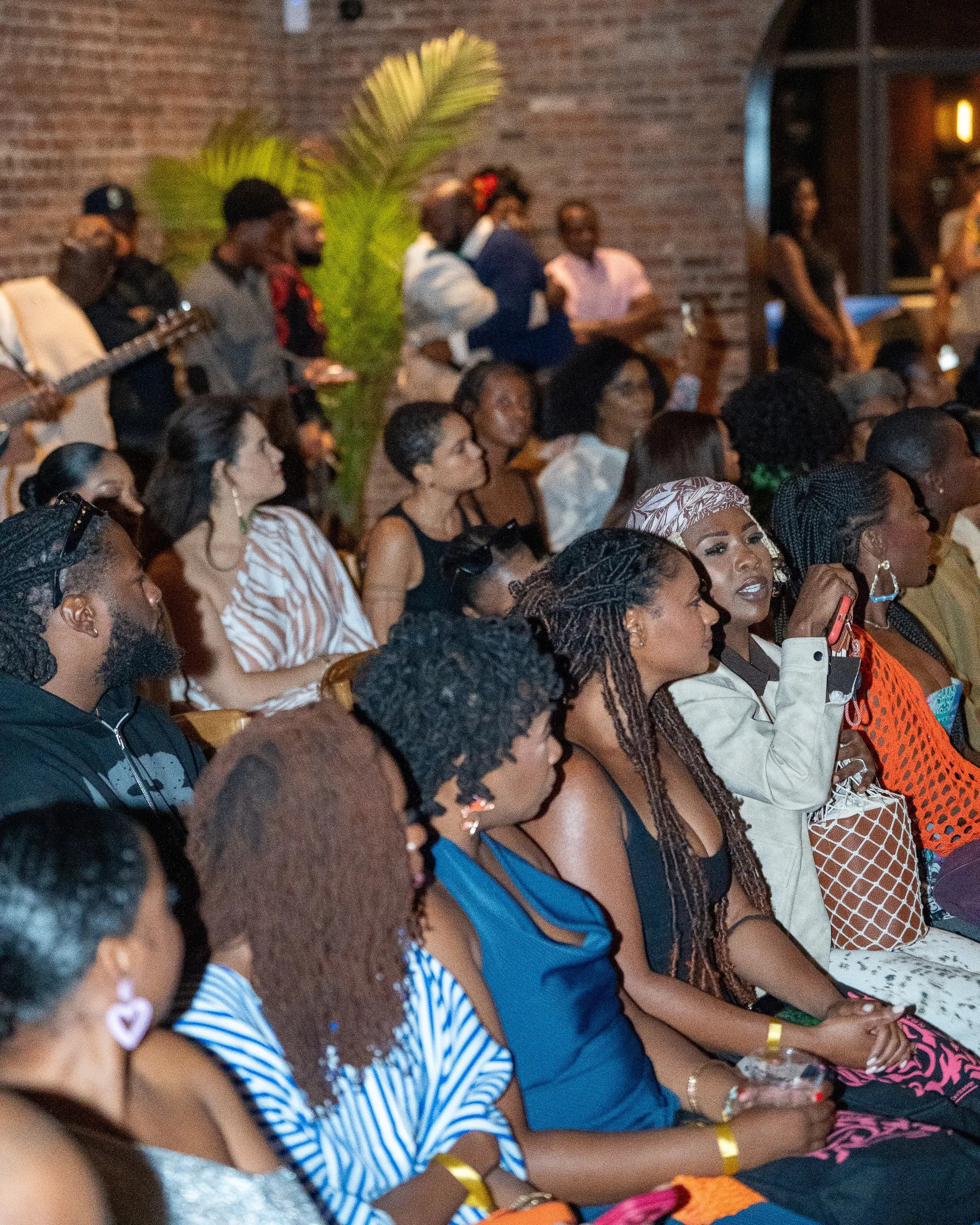
According to FacesOfHaiti’s on-site coverage, the atmosphere combined elements of a fashion event and a Haitian cultural gathering. Guests networked, photographed the evening and mingled as Haitian music, including konpa, played throughout the reception.
Artist collaborators worked with Vinshēk on the curation and set design, with the physical environment conceived as an extension of the Cacos narrative rather than simply a backdrop for the clothes.
Food and wine were available during the cocktail hour, with Rogers Burger among the evening’s sponsors. The business is owned by District Leader Josue Pierre and his business partner.
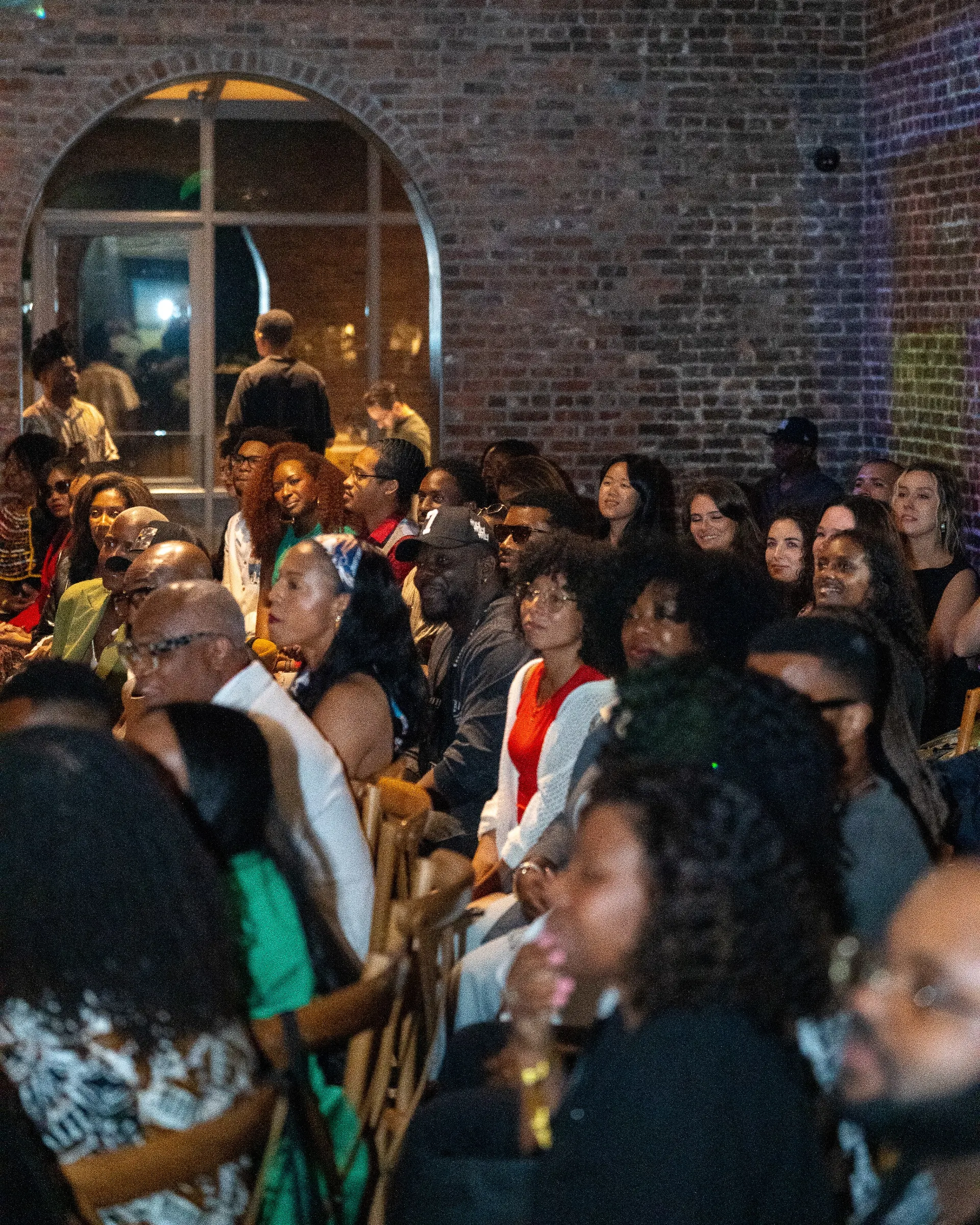
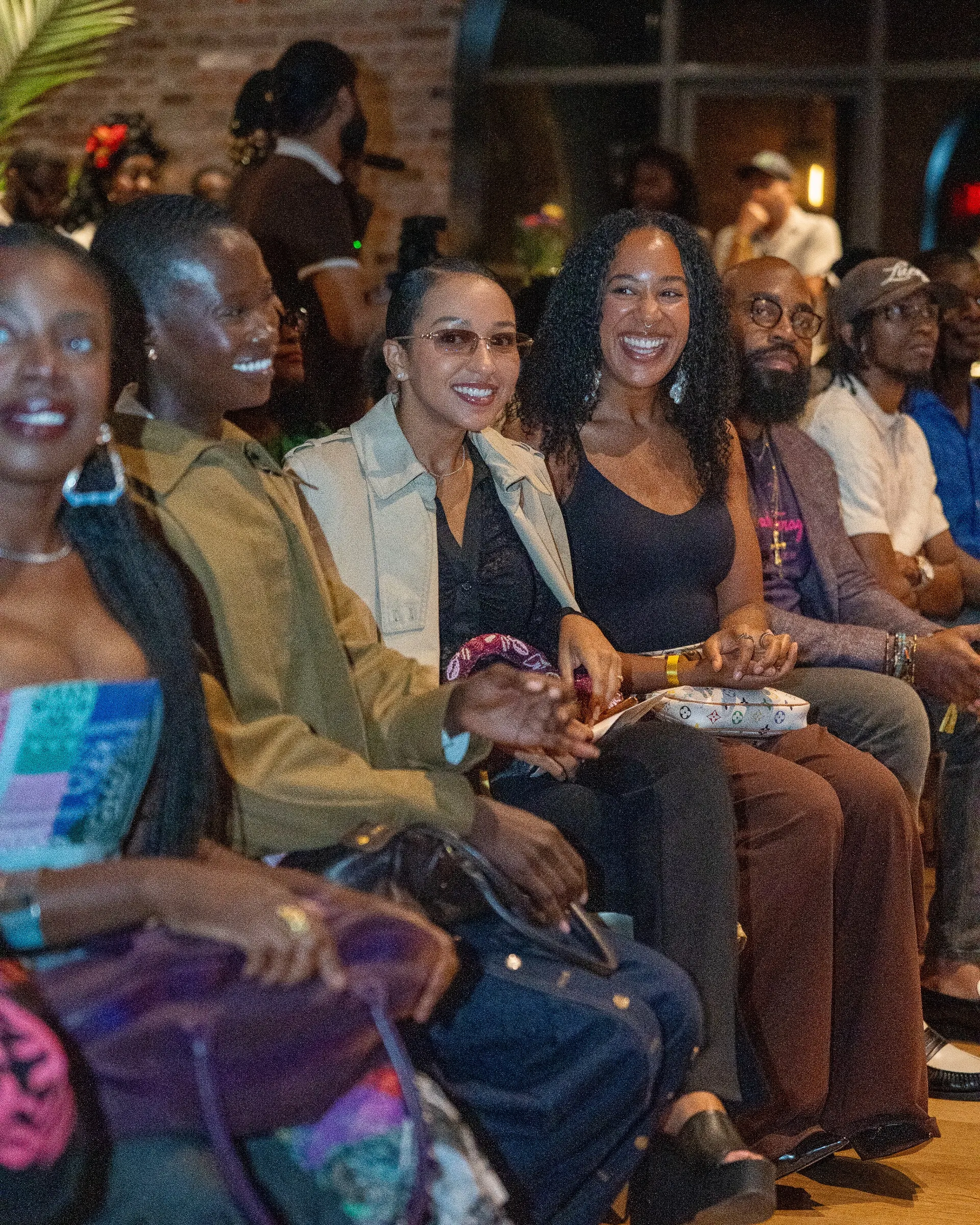
By the time the runway presentation began, approximately 150 people were in attendance, according to organizers and FacesOfHaiti’s coverage. The audience represented different sectors of the Haitian community, including fashion, entertainment, media, digital creators, community leaders and public officials.
At approximately 7:30 p.m., guests transitioned upstairs for the runway presentation.
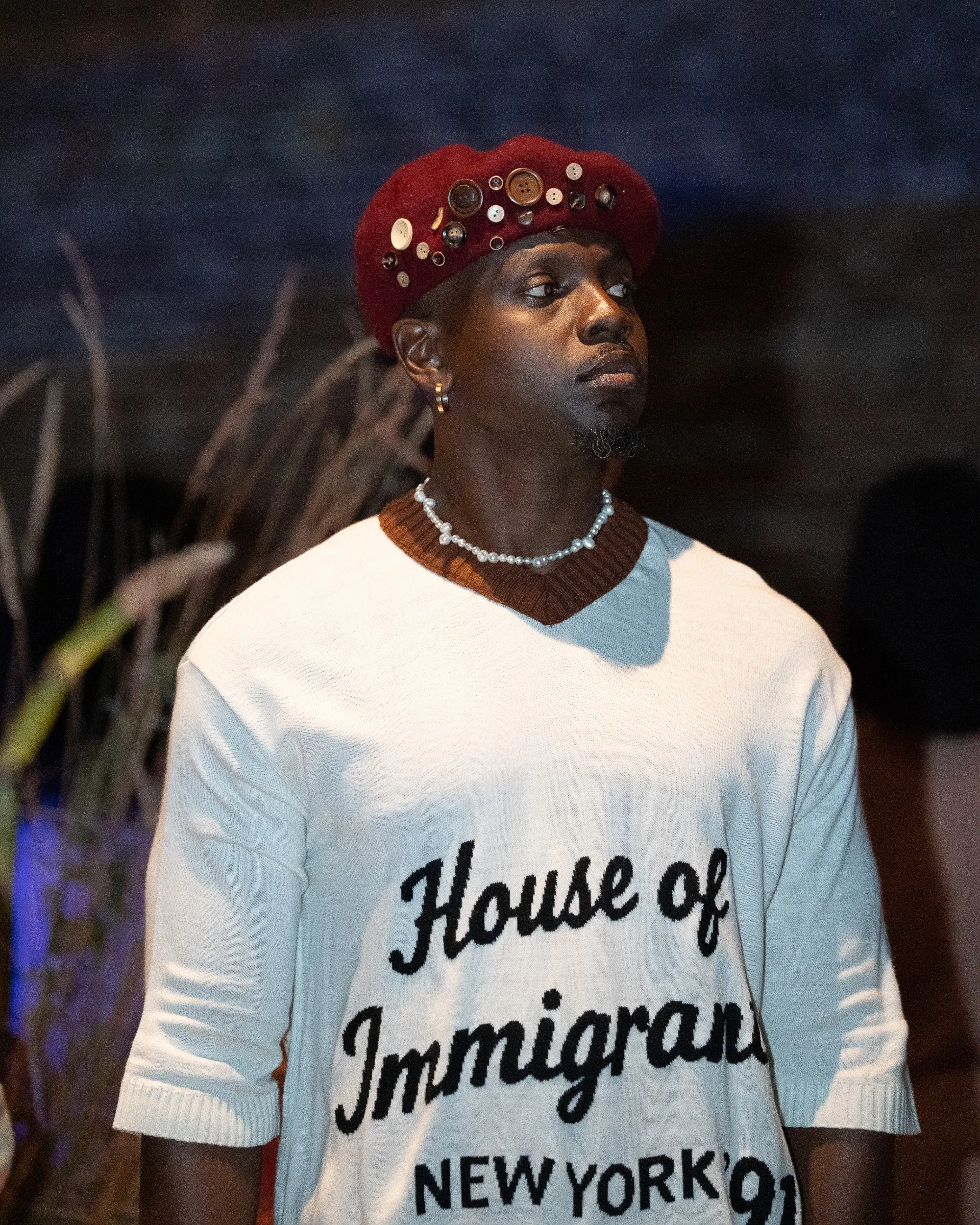
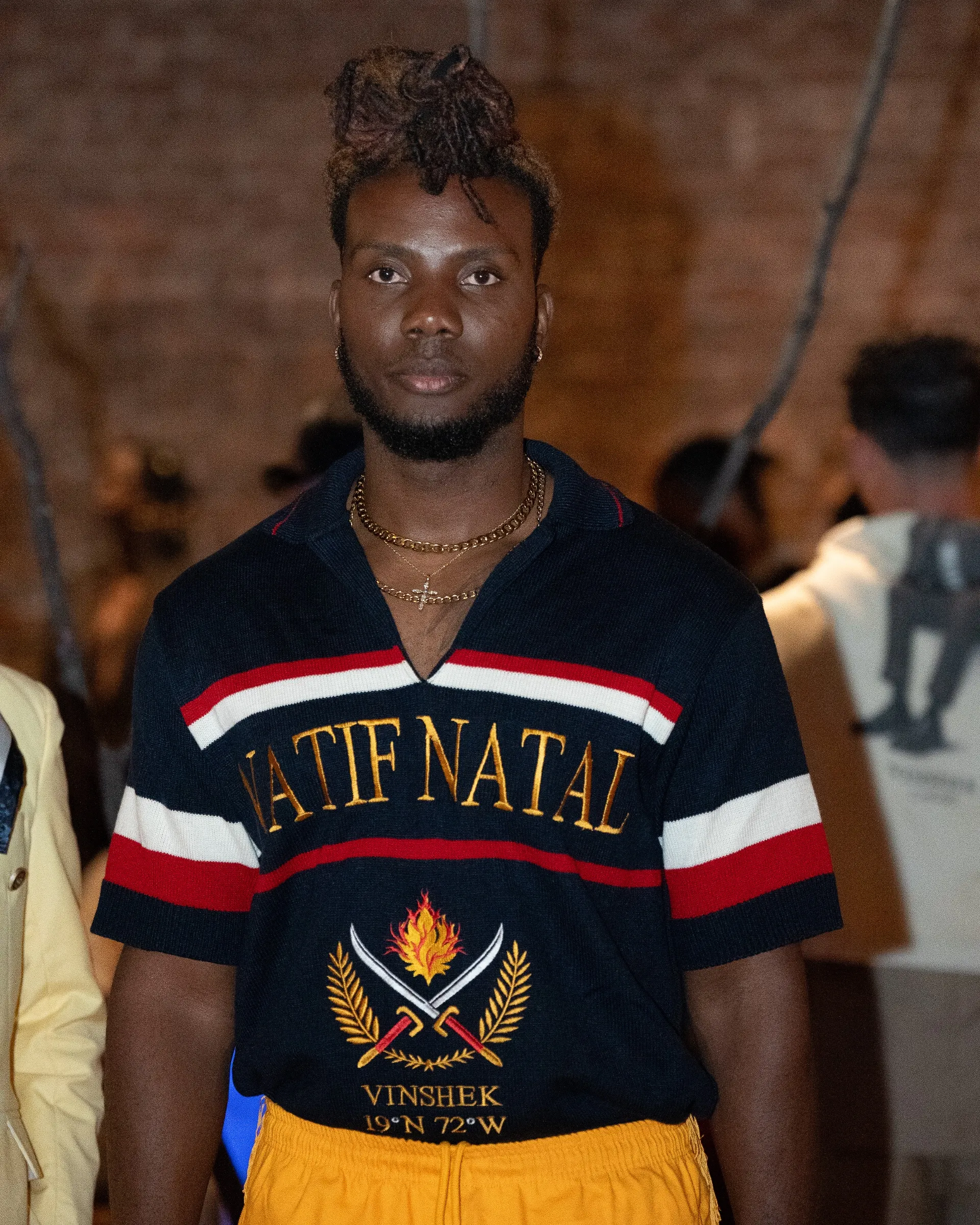
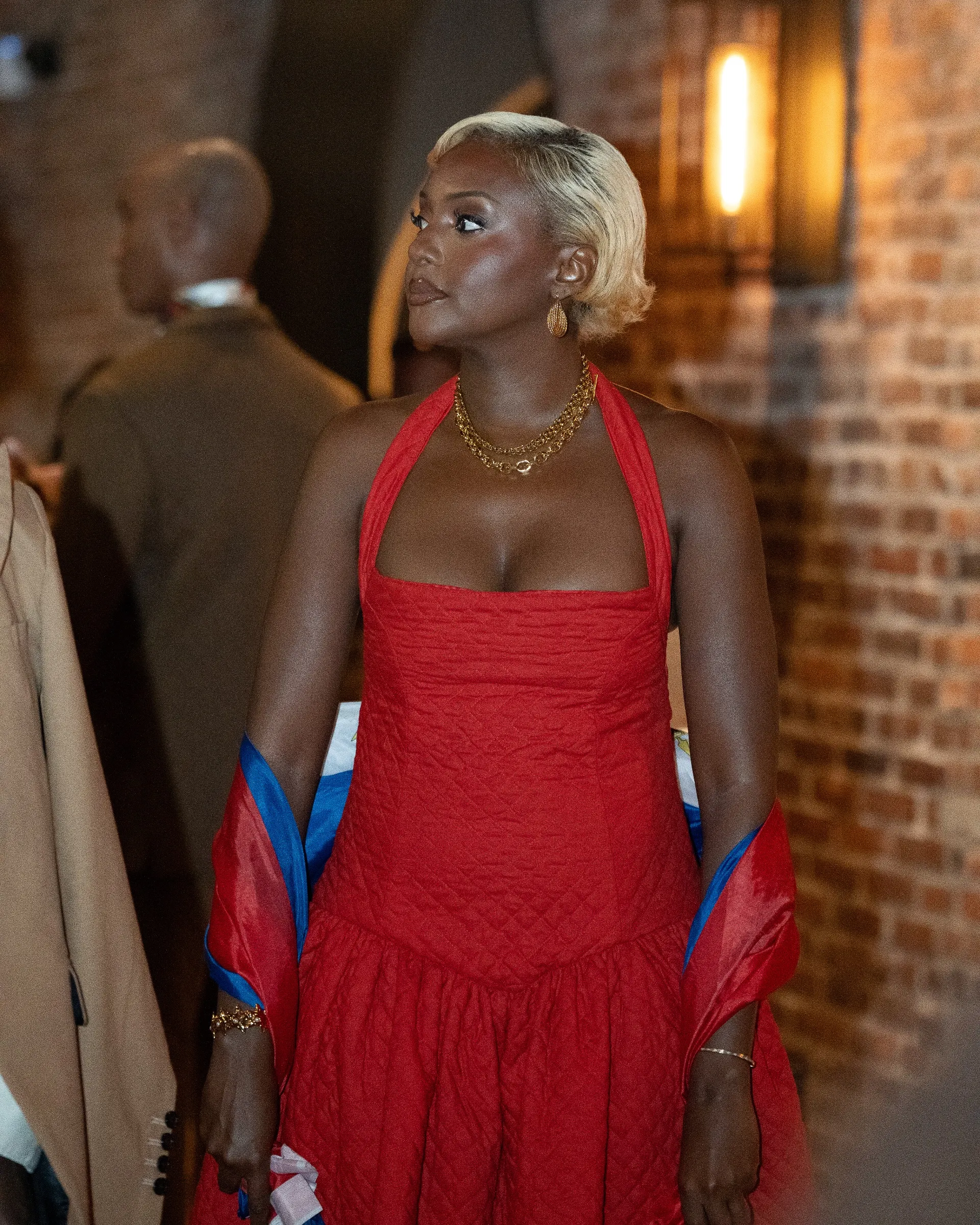
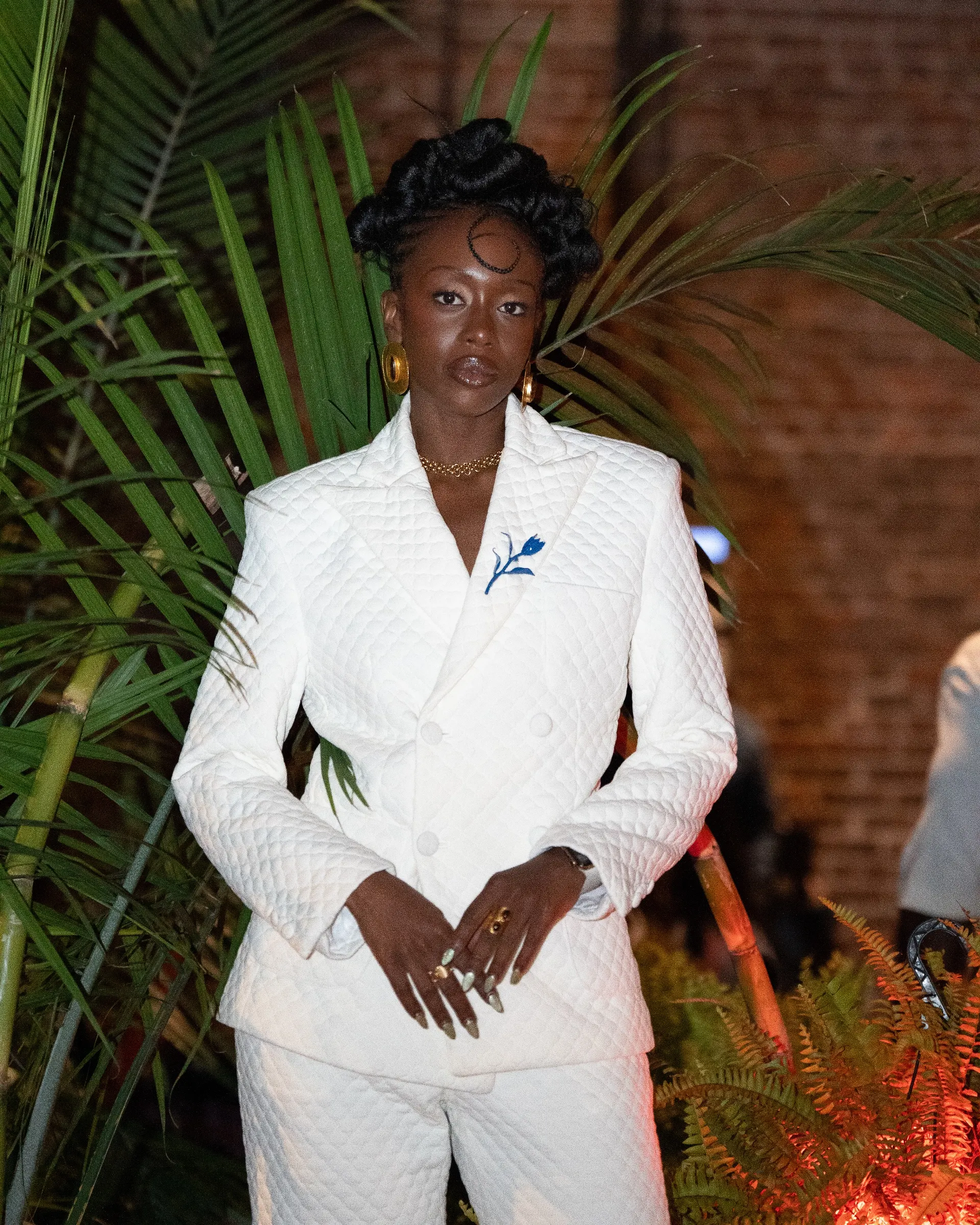
Between 15 and 20 male and female models presented multiple looks from The Cacos Collection. The Cacos name and other references to the collection’s historical identity appeared directly on some garments, while the broader presentation carried the themes of Haitian resistance into contemporary silhouettes.
Several recognizable members of the Haitian community also participated as models, including Miss Universe Haiti 2015 Lisa Drouillard, comedian and content creator Ricardo Foster, known as Black Ricky, and scholar and digital content creator Dr. Ashley Lazarre.
Behind the scenes, models prepared together with hair and makeup teams ahead of the presentation. Nicolas’ wife also played an active role in preparations, assisting with makeup before later joining the runway.
The audience remained engaged throughout the presentation, responding to the looks with sustained applause and enthusiasm.
The evening also represented another stage in Vinshēk’s progression within New York fashion. Nicolas founded the label in 2020, and by 2024 Vinshēk had made its New York Fashion Week debut. His previous work has similarly drawn from Haitian history, including the 1804 Capois Collection. [Haiti Open](https://m.haitiopen.com/rapidd-professionals/from-cap-haitien-to-the-runway-how-garvenchy-nicolas-is-elevating-haitian-fashion-through-vinshek/?utm_source=chatgpt.com)
Following the runway, Nicolas addressed the audience and reflected on the process of developing The Cacos Collection. He acknowledged the team, collaborators and sponsors behind the nearly two-year undertaking before discussing the influence of The Forgotten Occupation.
Then he introduced Alain Martin, who was in attendance.
Martin’s documentary explores the 1915-1934 occupation and incorporates historians, archival research and a deeply personal examination of the filmmaker’s relationship with his grandfather and Haiti’s historical memory. The Haitian Studies Association describes the work as an award-winning documentary examining the first U.S. occupation of Haiti. [Haitian Studies](https://www.haitianstudies.org/2023/06/the-forgotten-occupation-online-screening-and-qa/?utm_source=chatgpt.com)
During the NYFW event, Martin spoke about learning that his film had helped inspire Nicolas’ collection. He also reflected on doubts he had experienced while developing the documentary and uncertainty over whether the work would ultimately reach people or have a lasting impact.
Seeing the subject move from documentary film into fashion offered an unexpected answer to some of those doubts.
For the audience, the exchange became a full-circle moment: one Haitian artist’s examination of an overlooked period of history had inspired another Haitian artist to reinterpret that history through an entirely different medium.
The evening also carried a civic dimension.
New York City Council Member Rita C. Joseph, who represents Brooklyn’s 40th District, attended the presentation and addressed the audience following the runway. Joseph has represented the district since 2021; her district includes several Brooklyn neighborhoods with significant Caribbean communities. [New York City Council](https://council.nyc.gov/rita-joseph/?utm_source=chatgpt.com)
Joseph spoke about the importance of Haitians telling their own stories through different forms of cultural expression. While Haitian identity has long been communicated through music, food and other traditions, she pointed to Nicolas’ work as an example of fashion providing another platform for representation.
Joseph then formally recognized Nicolas and The Cacos Collection through her office, presenting the designer with a citation following the show.
The recognition added a public-service component to an evening already connecting history, filmmaking and fashion.
New York City Sheriff Edwin Raymond was also among the community figures in attendance, spending time with guests and showing his support for Nicolas and the presentation.
After the formal program concluded, guests returned to networking, photography, music and dancing, while many congratulated Nicolas, his wife, the models and members of the Vinshēk team.
The September 14 presentation was also held in partnership with Haiti Cultural Exchange, which described The Cacos Collection ahead of the event as a project rooted in “Haitian history, resistance, and storytelling.” [Mato Events](https://ma.to/event/the-cacos-collection-nyfw-show-14-sep-2026?utm_source=chatgpt.com)
Those three elements ultimately defined the evening.
For Vinshēk, The Cacos Collection was the brand’s fourth collection and another step in Nicolas’ effort to establish a design language in which Haitian history is not simply referenced but placed at the center of the work.
The runway lasted only part of the evening, but the project behind it connected several generations and disciplines: the Cacos who resisted occupation more than a century ago, historians and filmmakers preserving that history, a Haitian designer translating it into clothing, and a contemporary diaspora gathering in Brooklyn to encounter the story through fashion.
In that sense, The Cacos Collection extended beyond the conventional boundaries of a New York Fashion Week presentation. It became an exercise in cultural memory, demonstrating how a historical narrative can move from archives and documentary film to fabric, runway and a new audience.
Nearly two years in the making, Garvenchy Nicolas’ fourth collection transformed the story of the Cacos into an evening of fashion, history and Haitian cultural representation in Brooklyn.