Haiti records more than 5,500 cases of sexual violence in first half of 2026 as Gangs Weaponize Rape
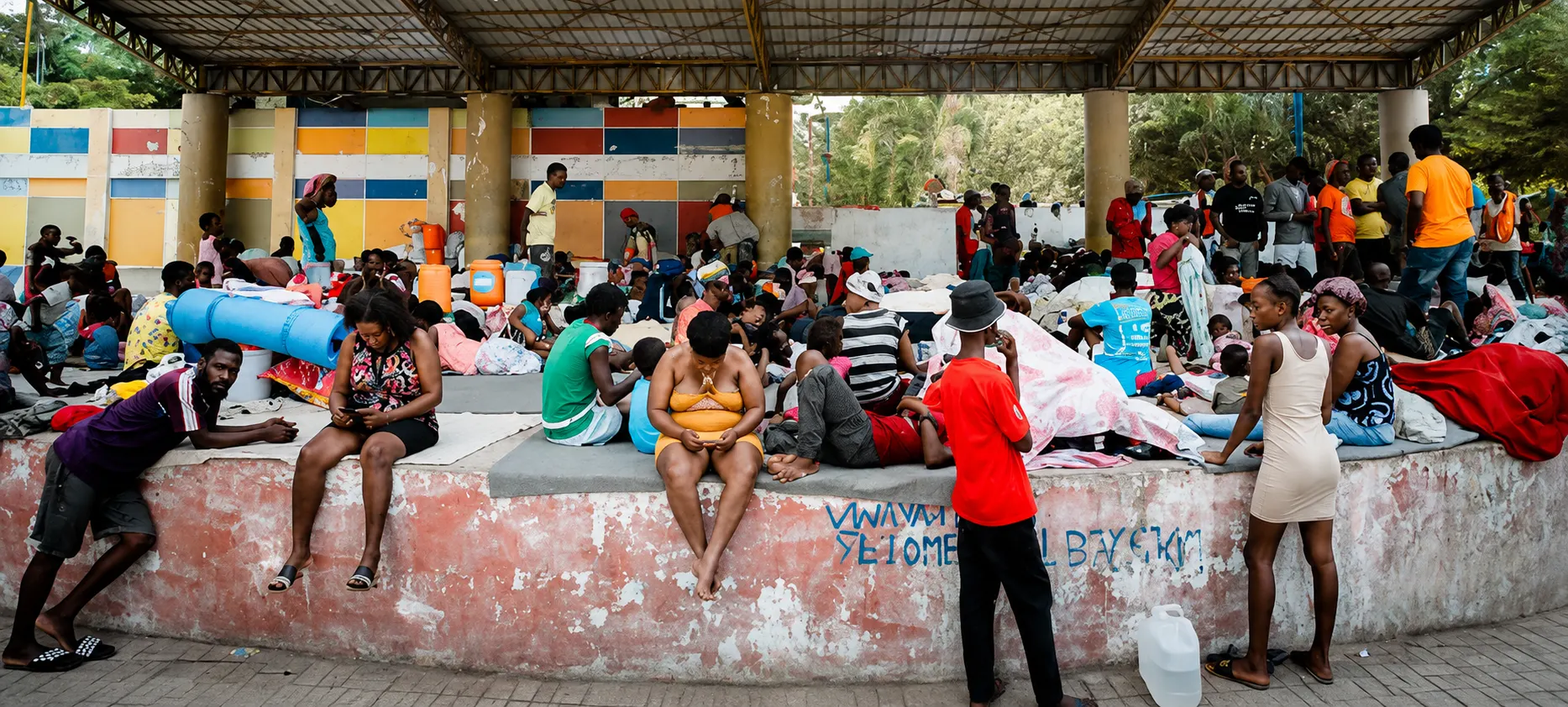
Haiti recorded more than 5,500 cases of gender-based violence in the first six months of 2026, the United Nations reported, with the vast majority involving the rape of women and girls. The figures mark one of the most alarming dimensions of a security crisis that has left armed gangs in control of large parts of the country.
The scale of the emergency is accelerating. Of the more than 5,500 cases recorded between January and June, more than 3,000 occurred between April and June alone! Authorities logged over 1,000 cases in June by itself!
UN Deputy Spokesperson Farhan Haq told reporters, warning of an “alarming increase” in these attacks. Projected across the full year, 2026 is on pace to surpass the roughly 8,000 cases recorded in all of 2025.
Around 70 percent of the sexual violence cases documented in the first half of 2026 were rapes, many committed by armed gangs, according to the UN. More than half of the victims were women who had already been displaced from their homes by gang violence.
Girls between the ages of 12 and 17 have been disproportionately targeted. In the first quarter of 2026 alone, the UN’s Integrated Office in Haiti (BINUH) documented more than 292 victims of gang rape and sexual exploitation, the majority women and girls in that age range. The office has described sexual violence as a tool gangs use deliberately to punish communities living under their control, alongside tactics such as child trafficking.
Norwegian Refugee Council official Youri Saadallah put it starkly: women and girls, he warned, are “being used as a battlefield.”
Collective rape
Collective, or gang, rape has emerged as one of the most disturbing patterns. UN reporting over the past several years has documented assaults involving multiple armed perpetrators against women and girls, attacks often carried out during coordinated gang operations intended to terrorize communities and discourage resistance. A joint 2022 BINUH–OHCHR investigation found that survivors, including children as young as 10 and elderly women, had endured collective rapes lasting hours, sometimes in front of family members. UN officials characterize this as a systematic weapon of war rather than isolated criminal acts.
The trauma is compounded by chronic underreporting. Fear of retaliation, social stigma, and the near-total collapse of police protection, healthcare, and judicial recourse in gang-held areas mean the true toll is almost certainly far higher than official figures capture.
Gang violence, once concentrated in Port-au-Prince, has spread into other regions, including Artibonite and the Centre department, and has displaced nearly 1.5 million people nationwide. Women and girls make up a significant share of that displaced population, often living in overcrowded sites without adequate sanitation, privacy, or security, conditions aid workers say heighten the risk of further sexual violence.
Doctors Without Borders (MSF), which runs the Pran Men’m clinic in Port-au-Prince, has independently corroborated the pattern of multi-perpetrator attacks: more than half of the patients it treated had been assaulted by multiple gang members, and more than 100 individuals were attacked by ten or more perpetrators at once, an average of three attackers per case. The clinic has treated nearly 17,000 patients over the past decade.
“The situation is becoming increasingly intolerable,” Haq said, calling sexual violence one of the most devastating consequences of Haiti’s ongoing conflict and humanitarian emergency.
As Haiti confronts one of the gravest humanitarian crises in the Western Hemisphere, aid agencies warn that women and children continue to pay the highest price.
"The situation is becoming increasingly intolerable," Haq said