Forced to flee: Haiti’s displacement crisis Nears 1.5 Million amid escalating violence
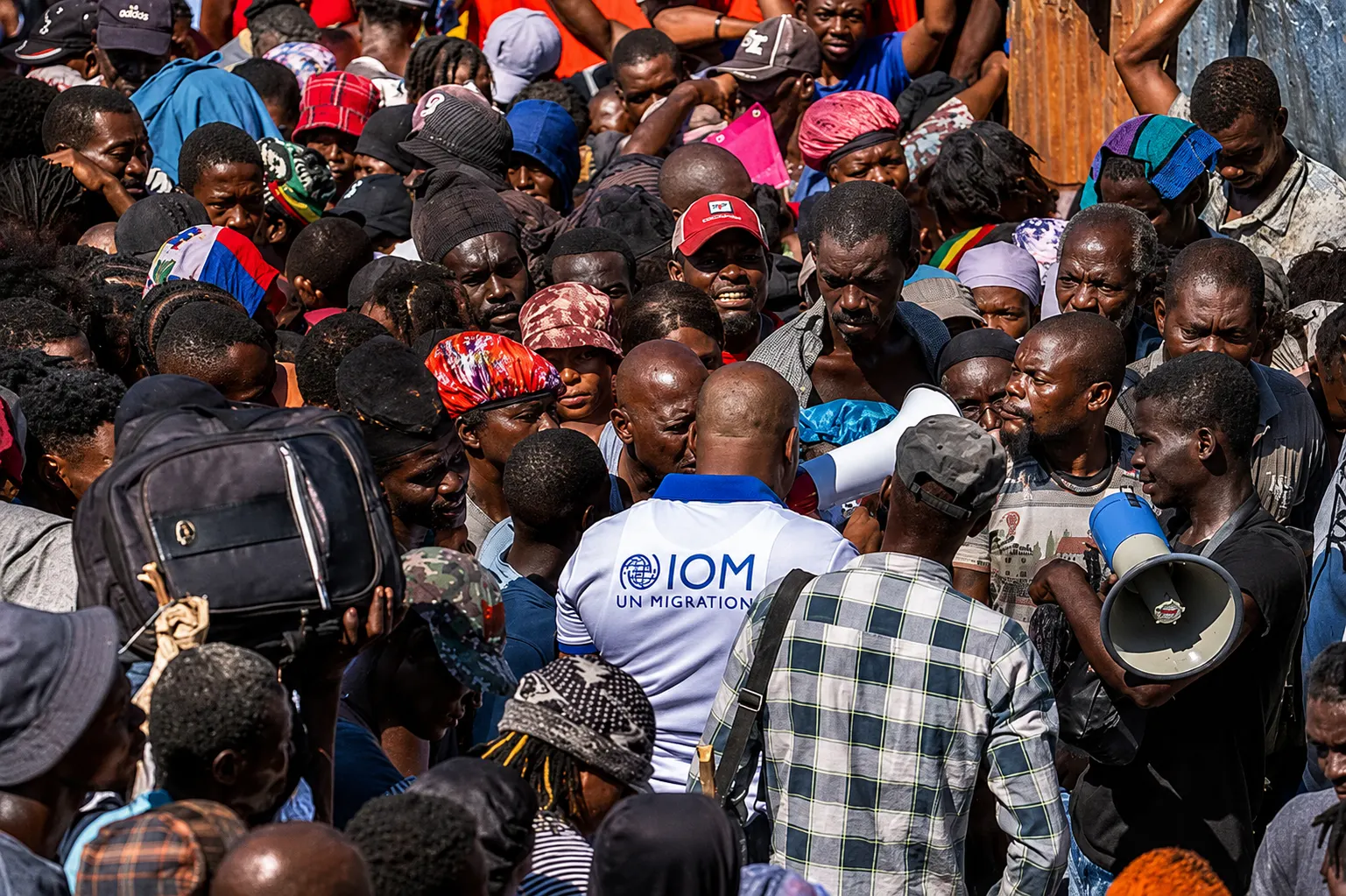
Armed violence continued to drive Haiti’s humanitarian crisis through July 2026, with fresh incidents in the West and Artibonite departments pushing more families from their homes and adding pressure to communities and services already stretched thin, according to the International Organization for Migration’s (IOM) latest situation report.
Internal displacement in Haiti has held near record levels for months, with close to 1.47 million people displaced as of July, the result of sustained population movements throughout the first half of the year.
Overcrowded displacement sites and the host families absorbing the displaced continue to face severe gaps in shelter, water and sanitation, healthcare, and protection. Insecurity has also restricted humanitarian access to several affected areas, complicating the delivery of aid to people who need it most.
Fleeing with nothing but the clothes they wore
Nowhere is that displacement pattern more visible than in Artibonite, one of the departments hit hardest by armed violence. Every month, thousands of people there are forced to flee their homes, for some, not for the first time. They left behind everything to escape the violence. Many arrive in new towns with only the clothes they’re wearing, forced to rebuild lives they had no choice but to abandon.
Gonaïves, a commune more than 100 kilometers from Port-au-Prince, has absorbed much of that displacement, straining infrastructure that was already under pressure before the latest wave of arrivals.
Charlito Louissaint, Director General of the municipal administration, said the population’s displacement has made an already difficult situation far more complicated to manage at the administrative level.
On the other side of the country, the crisis is also visible at the border: Belladère, on the frontier with the Dominican Republic, has received 53,634 forcibly returned Haitians since January 2026 alone, part of a broader total of 28,093 migrants forcibly returned in July.
IOM and its partners reached 61,256 people with assistance in July, under the umbrella of the 2026 Haiti Crisis Response Plan, which targets 1 million people and carries a $70 million global appeal, currently 54% funded.
Taken together, the numbers point to a humanitarian operation working at real scale, tens of thousands assisted every month, but still running well behind the scale of need. With displacement holding near 1.47 million and the crisis response plan less than 55% funded, the gap between what’s needed and what’s been mobilized remains wide, even as IOM and its partners continue expanding shelter, WASH, health, and protection work across the country’s hardest-hit departments.