How the termination of Haitian TPS Is reshaping lives and the U.S. Economy
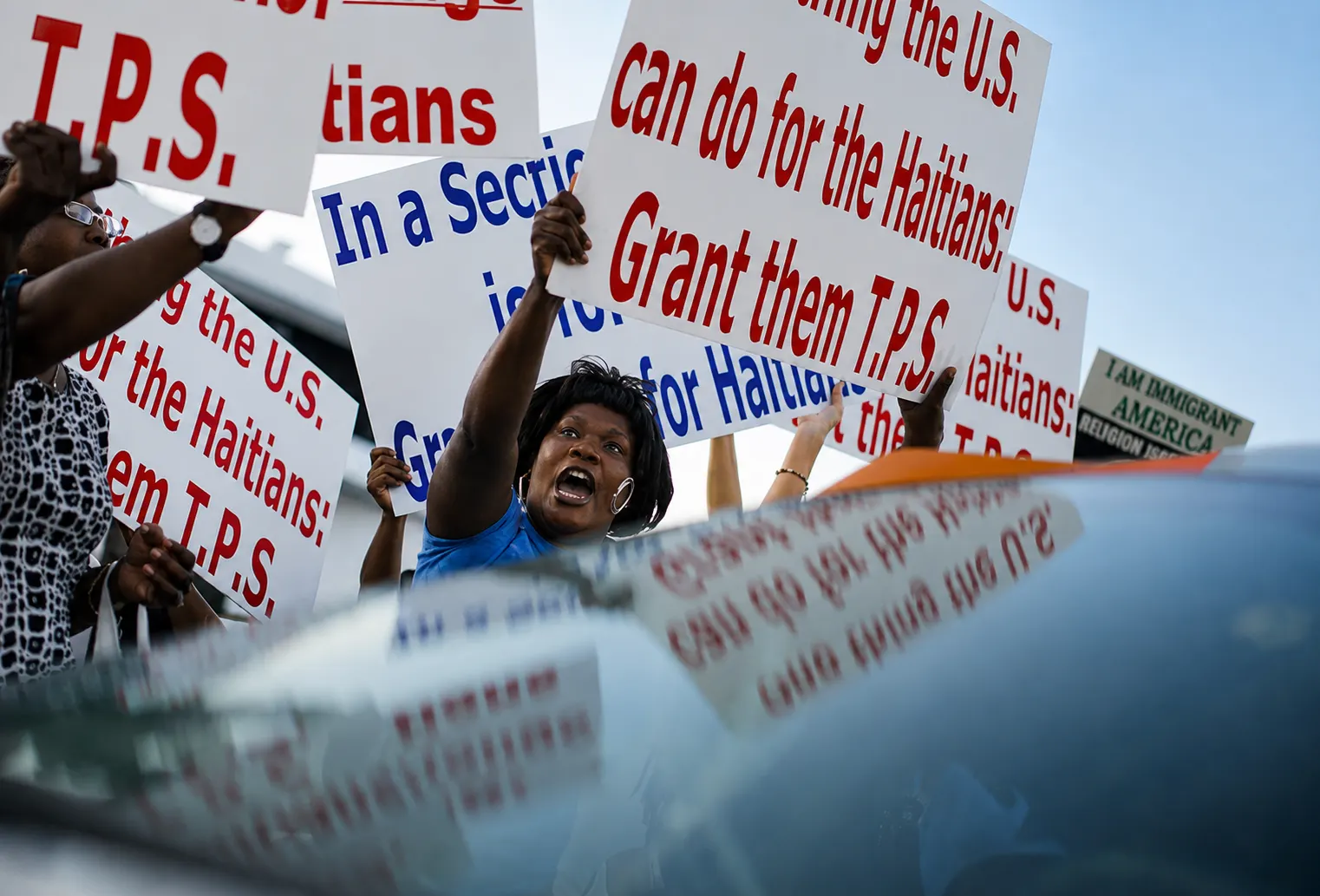
Temporary Protected Status for Haitians formally ended on August 5, 2026, after a federal judge confirmed that a Supreme Court ruling had stripped courts of the power to block the administration’s decision. The termination leaves an estimated 350,000 Haitian nationals who had built legal lives in the United States without work authorization and exposed to deportation, closing a chapter that began after the devastating 2010 earthquake.
A Costly Decision for the U.S. Economy
Beyond the human toll, economists and advocacy groups warn the decision carries a steep price for the American economy itself. A January 2026 analysis by FWD.us, the UndocuBlack Network, and the Haitian Bridge Alliance found that Haitian TPS holders generate close to $6 billion annually for the U.S. economy and pay more than $1.5 billion in combined federal, state, and local taxes each year. Nearly 190,000 of them were active in the workforce, filling roles that employers across multiple industries have struggled to staff.
Healthcare has emerged as one of the hardest-hit sectors. Of roughly 740,000 TPS workers nationwide in 2024, an estimated 53,000 worked in healthcare, according to the health policy research organization KFF, with elder care facilities and home health services expected to feel the loss most acutely. Katie Smith Sloan, who leads LeadingAge, an organization representing thousands of aging-services providers, has described losing dozens of workers from a single facility all at once as the new reality many care homes now face.
Restaurants, hospitality, construction, food processing, and logistics have also been named among the industries most reliant on Haitian TPS labor. In Florida, State Representative Wallace Aristide warned that removing Haitian workers from payrolls would strip billions of dollars from the local tax base, since these were workers who came to the U.S. specifically to work. Miami-Dade Mayor Daniella Levine Cava similarly cautioned that the decision would weaken the regional economy while separating families who are, in her words, deeply woven into South Florida’s workforce.
Living in Limbo: Stories From the Ground
For the Haitians directly affected, the end of TPS has meant an abrupt unraveling of lives built over more than a decade. Harriett Cecilia Joseph, who settled in Springfield, Ohio, after applying for TPS in 2021, lost her full-time job within weeks of the Supreme Court’s ruling and watched her event-planning business collapse as Haitian clients, themselves in legal limbo, canceled bookings. She has described the sudden realization that returning to Haiti simply isn’t possible right now, even though she never intended her stay in the U.S. to become permanent.
In South Florida, home to the country’s largest Haitian community, similar stories are unfolding. Farah Larrieux, a hotel worker profiled by NPR, continued working overnight shifts even as her legal status expired, unsure what would come next. In Miami’s Little Haiti neighborhood, longtime residents like Cevudieu Milford, who has lived in the city for 46 years, describe a mix of resignation and fear as the community absorbs the news, with Milford comparing the decision to an unstoppable force sweeping through their lives.
That fear is compounded by conditions in Haiti itself. As of early 2026, gangs controlled roughly 90 percent of Port-au-Prince, according to the United Nations, and more than 1.4 million Haitians have been internally displaced by the violence. The U.S. State Department maintains its highest-level “Do Not Travel” advisory for the country, and more than 8,100 killings were documented between January and November of 2025 alone. Leonie Hermantin of the Sant La Haitian Neighborhood Center in Miami says her organization has been flooded with calls from people who see no safe way to return, some of whom are now looking into relocating to third countries such as Canada rather than face conditions back home.
The ripple effects extend to the roughly 270,000 U.S.-born children who live with a Haitian TPS holder, according to FWD.us. Community organizations in South Florida are now encouraging parents to sign temporary powers of attorney for their children, in case they are detained or deported, while others report elderly relatives too afraid of immigration enforcement to seek medical care even in emergencies.
Hundreds of thousands of workers pushed out of the formal economy overnight, businesses scrambling to fill vacancies, and a diaspora community bracing for what comes next while conditions in Haiti remain, by nearly every measure, as dangerous as they have ever been.