Doctors Without Borders opens diphtheria triage center in Delmas
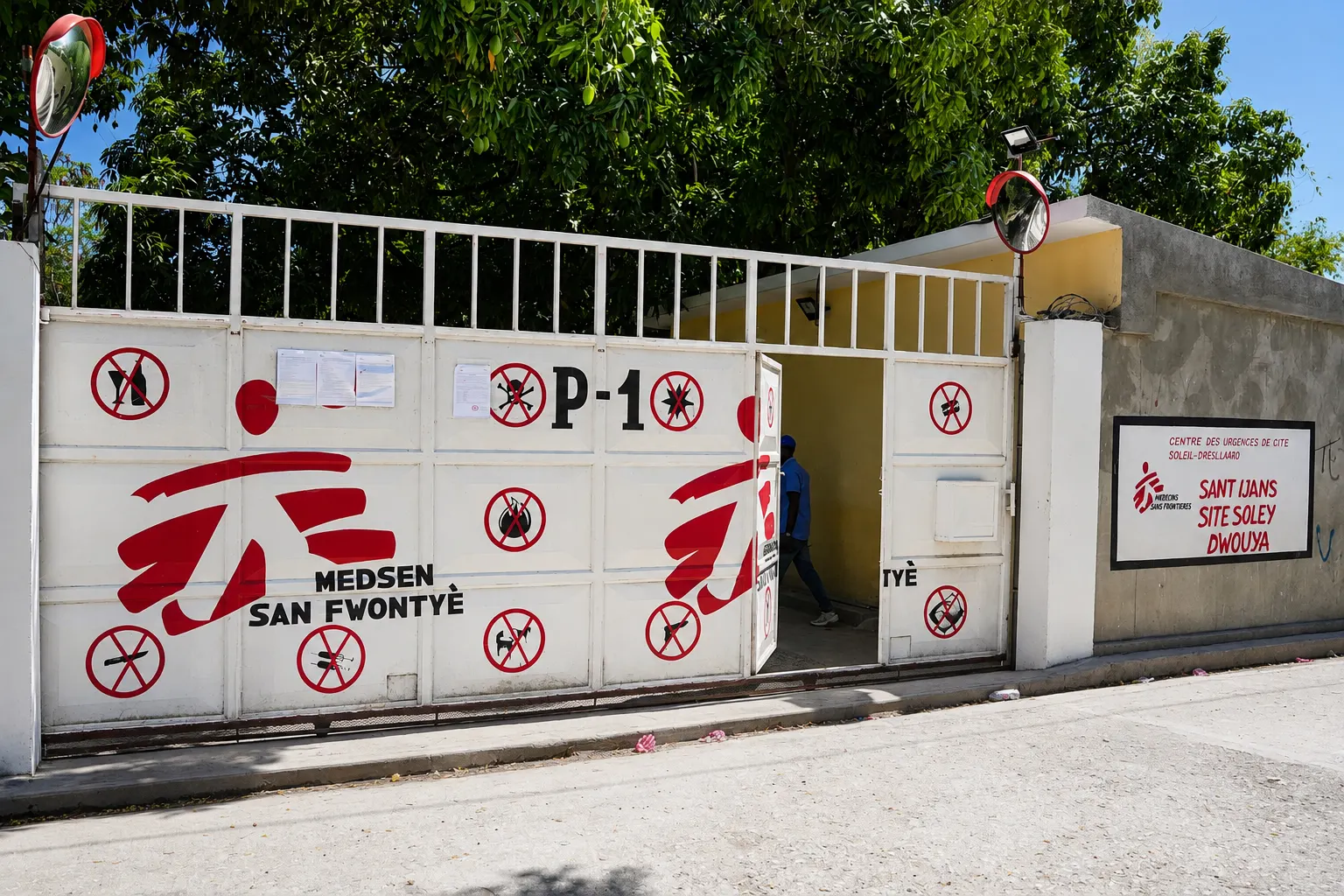
Doctors Without Borders (Médecins Sans Frontières) has opened a triage and treatment center in the commune of Delmas dedicated to people suspected of having diphtheria, as health authorities continue to sound the alarm over the disease’s spread in Haiti.
Who the Center Is For
According to MSF, the facility is ready to receive anyone presenting symptoms that could point to diphtheria, a sore throat, fever, difficulty breathing, fatigue, or other warning signs. Care at the center is free and available around the clock, seven days a week, removing cost and scheduling as barriers for families worried they or their children may be infected, informed the organization in a Facebook post.
Diphtheria is a bacterial infection that attacks the throat and airways and can turn fatal without prompt treatment, particularly in children. Its main defense is vaccination, but outbreaks can spread quickly in settings where routine immunization has gaps, a concern health officials in Haiti have raised repeatedly this year.
A Disease Haiti Has Been Tracking All Year
MSF’s new center in Delmas responds to a resurgence that Haitian and international health bodies have been documenting since early 2026. The country’s Ministry of Public Health and Population (MSPP) confirmed 90 new cases at the start of the year, with children and young women among the hardest hit. By the end of May, that count had climbed to 159 confirmed cases and five deaths nationwide, a toll the Pan American Health Organization noted already exceeded the annual average for the entire Americas region over the previous five years combined.
In response, Haiti’s Ministry of National Education, working with MSPP, organized a national school vaccination campaign in May, urging students and parents to understand the importance of the diphtheria vaccine. Public health officials have pointed to uneven vaccination coverage as part of the problem: national coverage for the three-dose DPT vaccine stood at 77% in 2025, but fewer than half of the country’s municipalities reached the recommended 80% threshold.